Top Tips for Choosing a Flexible Transparent Display Module?
In the rapidly evolving tech landscape, the demand for innovative solutions drives the development of the Flexible Transparent Display Module. Experts like Dr. Emily Tran, a leader in display technology, emphasize, "The future of displays lies in flexibility and transparency." This sentiment echoes throughout industries seeking modern, adaptable solutions.
Choosing the right Flexible Transparent Display Module can be daunting. With various options available, understanding the core attributes is crucial. These displays offer unique capabilities, such as blending digital and physical environments. They can be used in retail, automotive, and smart homes. Each of these applications presents distinct challenges and benefits.
Consider the nuances of transparency and flexibility. Not every module achieves the same clarity or responsiveness. Buyers need to weigh their specific needs against the performance metrics. Often, it requires reflection and expert advice to identify the best fit. A deep understanding of the technology and its applications can help avoid costly missteps.
Understanding Flexible Transparent Display Technology
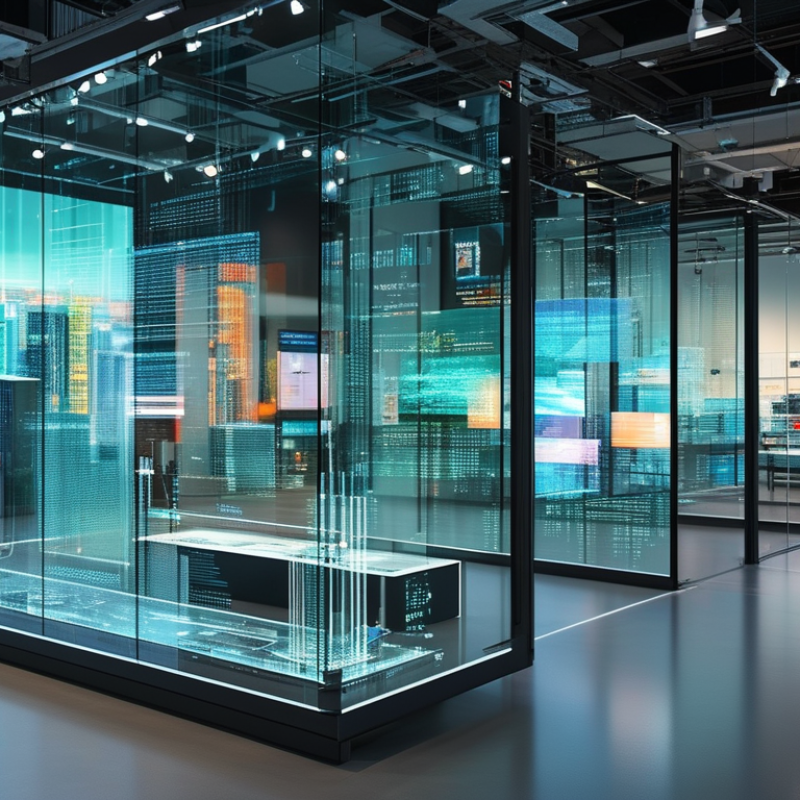
Flexible transparent display technology is rapidly evolving. This innovative tech enables screens that can bend and remain versatile, making them perfect for various applications. Recent industry reports estimate that the market for transparent displays will reach $30 billion by 2026. This growth reflects increased interest from sectors like retail, automotive, and healthcare.
Understanding the core components of flexible transparent displays is crucial. The technology relies on materials such as OLEDs and transparent conductive films. Flexibility allows for applications in unique environments, but challenges remain. Durability is a major concern. These displays must withstand different conditions, including temperature variations and physical stress. As reported by industry analysts, 47% of manufacturers cite durability as a significant barrier.
When selecting a flexible transparent display module, consider its clarity and brightness as essential factors. The quality of the display can make or break user experience. Additionally, power consumption is another key consideration. A module that uses less energy can lead to longer operational life and reduced costs. This technology is promising, yet it still requires refinement to meet the demanding standards of various industries.
Top Tips for Choosing a Flexible Transparent Display Module
| Feature |
Description |
Importance |
| Resolution |
The clarity and detail of the display, measured in pixels. |
High importance for image quality. |
| Transparency |
The amount of light that passes through the display, measured in percentage. |
Essential for visualization of underlying objects. |
| Flexibility |
The capability of the display to bend and contour. |
Critical for innovative designs and applications. |
| Power Consumption |
The energy required to operate the display. |
Important for sustainability and operational costs. |
| Durability |
The ability to withstand wear, pressure, or damage. |
High importance for longevity and reliability. |
| Cost |
The financial expenditure required to purchase and install the display. |
Significant for budgeting in projects. |
| Compatibility |
How well the display integrates with existing systems and hardware. |
Very important to ensure seamless operation. |
Key Factors to Consider in Display Size and Resolution
When selecting a flexible transparent display module, display size and resolution are crucial factors. Recent industry reports indicate that a pixel density of 300 PPI or higher is ideal for vibrant visuals. High pixel density ensures images appear sharp, even on larger screens. An appropriate size enhances user engagement. For instance, 15 to 24 inches caters well to retail displays, while mobile applications often prefer sizes under 7 inches.
Resolution plays a critical role in defining clarity. A standard resolution of 1920x1080 pixels is suitable for many applications. However, in specialized fields like medical imaging, even higher resolutions are necessary for precise detail. It's essential to contemplate the end usage. Furthermore, flexibility can impact optics and the overall visual experience. A balance between size, resolution, and flexibility can significantly shape usability.
While these guidelines are helpful, the market is rapidly changing. New technologies emerge frequently, making it vital to stay updated. Sometimes, desired specifications may not meet all expectations. Regular assessments and adjustments are key. Testing prototypes can provide insights. Each project has its unique requirements, and flexibility in choice will determine the display’s effectiveness.
Evaluating Brightness and Color Quality for Optimal Viewing
When selecting a flexible transparent display module,
brightness and
color quality play crucial roles.
Studies show that the human eye perceives brightness levels effectively between
200 to 1000 nits. Displays intended for high ambient light environments should aim
for at least 600 nits for optimal visibility. Ambient conditions
significantly influence viewing experiences. A module that lacks sufficient brightness can result
in a washed-out image, reducing design appeal.
Color quality cannot be overlooked either. Preserving vibrancy and accuracy in colors is essential for user satisfaction.
A display with a color gamut of over 90% sRGB ensures better color reproduction.
This is particularly vital when showcasing products or creative work. However, achieving this quality is challenging
in flexible designs. Manufacturers often face trade-offs between flexibility and color fidelity.
Moreover, transparency ratios must be evaluated
carefully. A perfect balance between transparency and image clarity is required. While higher transparency enhances
the aesthetic appeal, it may compromise the image quality in certain lighting conditions. Users often report
disappointment when displays don't meet their visual expectations. Recognizing these complexities aids in making
informed choices, ensuring that the selected module aligns with specific use cases and environment needs.
Assessing Compatibility with Existing Systems and Applications
When choosing a flexible transparent display module, assessing compatibility with existing systems is essential. Ensure your current hardware can support the new display’s technical requirements. Check display resolutions, which should align with your existing devices. Many smaller systems may struggle with high-definition displays. Look into the existing signal interfaces to avoid disruption.
Compatibility also involves understanding the software side. Make sure your applications can operate seamlessly with the new module. Conduct tests to see how the module performs with your software architecture. Durability and flexibility are critical aspects to evaluate. Striking a balance between these aspects can be challenging.
Consider the integration process. Sometimes, existing systems might require updates or modifications. This could lead to additional costs, which isn't ideal. Ask the right questions to your team and suppliers. It’s crucial to gather feedback about the overall integration experience. Keep an open mind for adjustments or alternative solutions.
Cost Analysis: Balancing Budget and Features in Display Selection
Choosing a flexible transparent display module involves careful consideration of both budget and features. Conduct a thorough cost analysis to weigh these factors. Prices can vary widely based on quality, size, and technology. A lower price might seem appealing, but it can lead to compromised quality or limited features. Assess what features are necessary for your application and identify which can be sacrificed.
A valuable tip is to research and compare different modules. Look for reliable suppliers who can provide detailed specifications. Understanding the performance metrics can save you from costly mistakes. Don’t overlook the long-term costs associated with maintenance and potential upgrades.
Keep in mind the evolving technology in display modules. It’s important to reflect on future needs. What works today may not be sufficient tomorrow. Explore how the display’s features align with potential growth or changes in your project. Do not rush the decision; take the time to evaluate your options thoroughly.