What Are the Benefits of Flexible Transparent Display Screens?
The advent of the Flexible Transparent Display Screen revolutionizes how we interact with technology. Imagine a world where displays blend seamlessly into our surroundings. This innovation allows devices to become part of our environment, adding functionality without compromising aesthetics.
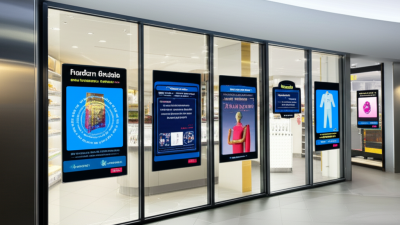
These screens offer unique benefits, such as adaptability and improved user experience. For instance, they can be rolled or bent, fitting into various designs. Additionally, their transparency allows for a richer interaction with the physical world. Brands are exploring uses in advertising, where messages appear to float in air, capturing attention like never before.
However, challenges remain. The technology is still evolving, and durability may pose questions. As we embrace this trend, we must reflect on our dependencies. Can we truly balance the digital with our real-world interactions? The potential of the Flexible Transparent Display Screen is undeniable, yet it asks us to ponder what comes next.
Definition and Overview of Flexible Transparent Display Screens
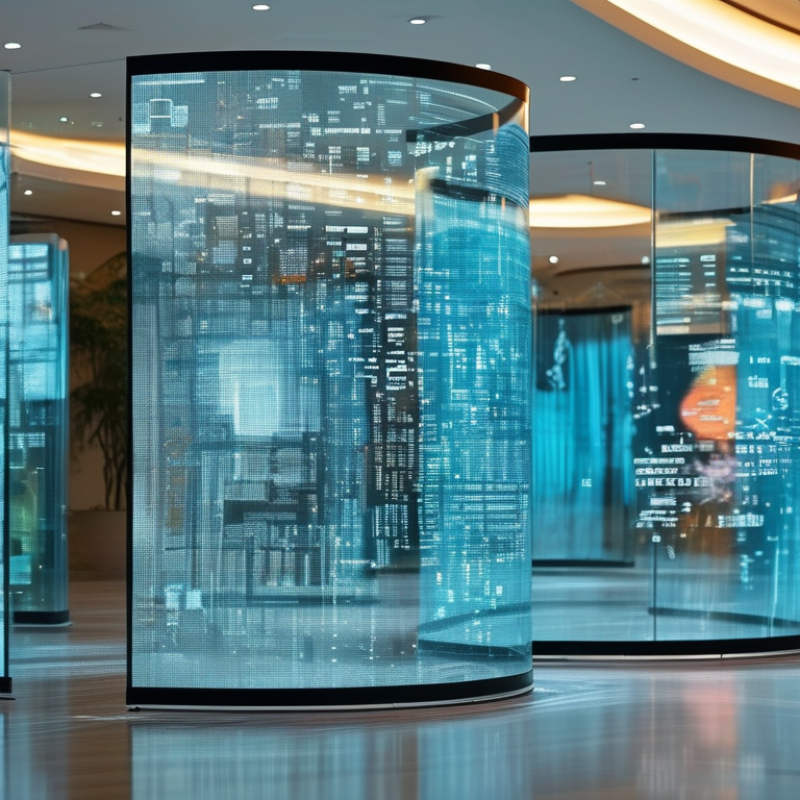
Flexible transparent display screens represent an innovative leap in display technology. These screens combine flexibility with transparency, allowing them to bend and curve while still maintaining high-resolution imagery. They consist of advanced materials, such as organic light-emitting diodes (OLEDs) or liquid crystal displays (LCDs). This unique mixture results in a captivating visual experience.
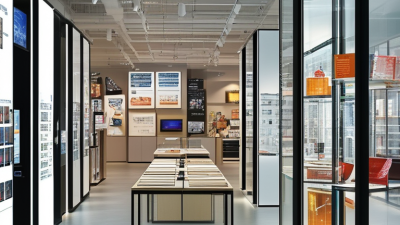
Applications of these displays are diverse. In retail, they can create immersive shopping experiences by showcasing products on windows without obstructing the view. Similarly, they enhance advertising, allowing dynamic visuals to capture attention. Architects can integrate them into buildings, providing aesthetic appeal and functional information. However, despite their potential, challenges remain. Manufacturing these screens can be costly, affecting widespread adoption.
The durability of flexible transparent displays also raises questions. They must withstand everyday handling and environmental factors. While the technology exists, further research is needed to improve their resilience. It is essential for developers to balance innovation with practicality. As we explore these screens, we must consider their real-world applications and possible limitations.
Key Features and Technologies Behind Flexible Transparent Displays
Flexible transparent display screens are built on advanced technologies that enhance user interaction and connectivity. One key feature is the use of organic light-emitting diodes (OLEDs). OLED technology allows screens to be thin and lightweight. This gives manufacturers the flexibility to create curved designs. Further, these displays are less power-intensive than traditional screens. This means longer battery life for devices using them.
Another important aspect is the development of transparent conductive materials. These materials enable screens to display information while allowing visibility through them. This innovation opens new frontiers in design. Imagine storefronts with digital advertisements integrated directly into windows. This could transform marketing and retail experiences. However, the manufacturing processes can be complex and costly, leading to challenges in scalability.
Innovations also focus on durability. Flexible screens must withstand stress and daily use. While improvements have been made, issues like scratch resistance remain a concern. Testing these products in real-world applications is crucial. Continuous refinement is essential to address these challenges. Understanding user needs and experiences can guide future developments in flexible transparent displays.
Advantages of Flexible Transparent Displays in Various Industries
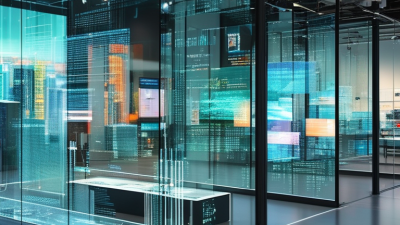
Flexible transparent display screens are transforming various industries. In retail, these displays enhance customer engagement. They blend seamlessly with products, displaying vibrant content without obstructing visibility. Shops can show advertisements while customers can still see the merchandise behind the screens. This dual functionality can lead to increased sales.
In automotive applications, flexible transparent screens offer a new level of interactivity. Imagine a car windshield displaying navigation prompts or safety information. This could help improve driver awareness. However, there are technological challenges to overcome. The durability and sunlight visibility of these displays must be enhanced.
In healthcare, flexible transparent displays can assist in patient information management. They can be integrated into medical equipment, providing real-time data access. This innovation might streamline processes, but the cost of implementation remains a critical concern. Overall, while the benefits are evident, the journey towards full adoption needs careful consideration and innovation.
Applications of Flexible Transparent Displays in Daily Life
Flexible transparent display screens are transforming various aspects of daily life. These innovative devices are revolutionizing how we interact with technology, integrating seamlessly into our environments. Imagine a window that not only lets light in but also displays vital information or art. This technology can enhance shopping experiences, allowing customers to visualize products in a new light.
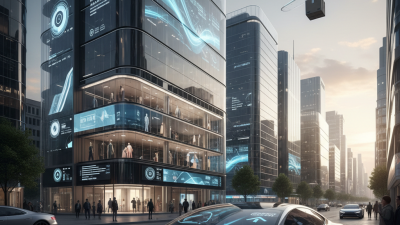
In urban design, flexible transparent displays can be used in smart windows. These windows can show real-time data, bringing nature and information together. Passersby can glance at maps or local news without distraction. Museums and art galleries also benefit, allowing artworks to engage visitors with digital stories right on the display. The potential applications are vast, but challenges remain in ensuring clarity and responsiveness in varied lighting conditions.
There are hurdles to overcome, particularly in durability and accessibility. As with any burgeoning tech, users must consider the implications of such displays. Will their integration enhance or overwhelm? How will they affect our perception of reality? The future holds promise, but it’s crucial to navigate these questions thoughtfully as we embrace flexible transparent displays in everyday life.
Benefits of Flexible Transparent Display Screens in Daily Life
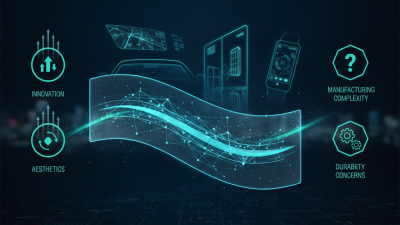
This chart illustrates the various benefits of flexible transparent display screens in daily life, rated on a scale from 1 to 10. As shown, energy efficiency and application versatility are highlighted as the primary benefits, making these displays appealing for future applications.
Future Trends and Innovations in Flexible Transparent Display Technology
The future of flexible transparent display technology is captivating. This innovation merges flexibility with clarity, creating new opportunities. Designers envision displays that can wrap around objects or integrate seamlessly into architecture. Imagine windows that transform into screens, providing both light and information. This could reshape homes, vehicles, and public spaces.
Emerging applications are vast. Retail environments may utilize transparent displays for advertising, without obstructing sightlines. In the automotive industry, vehicles might feature dashboards that blend with the windshield, presenting data in a non-intrusive way. However, challenges persist. Durability and production costs remain concerns. Developers must balance innovation with practicality.
Tips: Consider lightweight materials for better usability. Prioritize energy efficiency to enhance sustainability. Reflect on how these displays will influence human behavior. The potential is profound, yet the path forward requires thoughtful consideration. Continued research and development will drive this technology toward realization, shaping our interaction with the world.