What is a Transparentsphericalscreen and Its Top Uses in 2026?
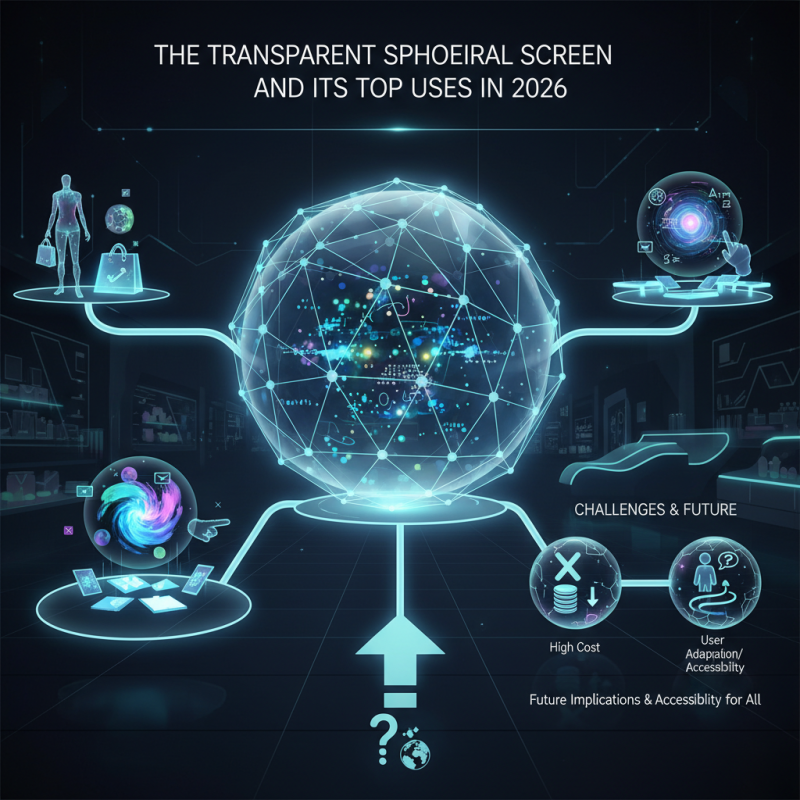
The Transparentsphericalscreen is set to revolutionize various industries by 2026. This innovative technology boasts a unique design that allows for immersive visual experiences. Its transparent nature enables seamless integration into different environments, making it a versatile choice for businesses.
In retail, the Transparentsphericalscreen serves as an engaging advertising medium. Customers can view products and promotions while still seeing the surrounding space. In education, it enhances learning by presenting information in an interactive manner. The clear interface supports both physical and digital content.
However, the adoption of the Transparentsphericalscreen comes with challenges. High costs may deter smaller businesses from utilizing it. Additionally, users must adapt to this cutting-edge technology. As we explore its top uses, it's important to reflect on its accessibility and implications for the future. Will everyone benefit from this advancement?
What is a Transparentspherical Screen? A Comprehensive Definition
A transparentspherical screen is a cutting-edge display technology that incorporates transparency and spherical curvature. Unlike traditional screens, this innovative design allows for immersive experiences. Users can see the display clearly while also observing the environment behind it. The unique geometry enhances visual engagement and interaction.
When thinking about potential applications in 2026, augmented reality and virtual experiences come to mind. These screens can be used in museums, offering interactive displays. Visitors can engage with exhibits without physical barriers. Retail environments might use them too. Imagine shopping where products pop up on a sphere, merging information with a transparent view of the store.
*Tips: To utilize transparentspherical screens effectively, consider the light conditions in your environment. Shadows can obstruct visibility. Ensure screen positioning maximizes impact.*
Yet, challenges remain. The production cost could be high. Additionally, the complexity of content creation might hinder widespread use. Manufacturers need more affordable solutions. With innovation comes the need for continuous refinement.
Key Features and Technologies Behind Transparentspherical Screens in 2026
Transparentspherical screens represent a fascinating blend of innovation and practicality in 2026. These screens are made from a special material that allows light to pass through while displaying images. Their structure might seem simple, but the technology behind them is intricate. The transparency allows users to interact with digital content without losing sight of the physical environment. This feature opens up new possibilities in architecture and design.
Key technologies play a significant role in the functionality of these screens. Advanced projection systems create vibrant visuals on the transparent surface. Innovative sensors enhance user interaction, making the experience immersive. However, there are challenges. The balance between brightness and transparency is delicate. In bright environments, readability can suffer. Addressing these issues requires ongoing research and development.
Moreover, the integration of AI in these screens allows for personalized content delivery. This technology tailors the display to individual preferences. However, ethical concerns arise about privacy and data security. The reliance on user data should be approached cautiously. It's essential to consider the implications while enhancing user experience with such advanced tools.
Market Trends: Adoption Rates of Transparentspherical Screens by Industry
The adoption of transparentspherical screens is gaining momentum across various industries. In 2026, these innovative displays transform customer experiences. They offer seamless interactions in retail environments. Stores are integrating these screens into their storefronts. Shoppers can view products without obstructions. This setup creates a captivating visual impact.
Audience engagement is another critical area. Events like trade shows increasingly feature transparentspherical screens. These displays offer immersive experiences. They draw in visitors, blending digital content with real-world elements. However, some industries struggle with initial costs and setup complexities. Change is often met with hesitation. Finding the right balance between cost and innovation can be challenging.
While adoption rates surge, concerns remain. Some businesses question the long-term return on investment. Educating staff on effective usage is vital. Ensuring that displays meet audience expectations is crucial for success. Feedback loops will help refine applications over time. Embracing these advances requires open-mindedness and adaptability. Yet, with thoughtful implementation, the future looks bright for transparentspherical screens.
Top Applications of Transparentspherical Screens in 2026 Across Sectors
Transparentspherical screens are revolutionizing various sectors in 2026. These innovative displays offer a unique combination of transparency and interactivity. Their lightweight design makes them suitable for diverse applications, from retail to smart homes.
In retail environments, transparentspherical screens create immersive shopping experiences. Customers can interact with products through the screen. Imagine browsing shoes displayed in a digital format, while still seeing the store's ambiance. This approach enhances engagement but raises challenges regarding privacy and security.
In smart homes, these screens enable effortless control of appliances. They can be integrated into living spaces, allowing users to adjust lighting or view security feeds. However, the balance between convenience and potential surveillance is crucial. Users must reflect on their comfort with such transparency in their daily lives. The evolving technology offers great potential, yet ethical considerations should remain a priority.
Top Applications of Transparent Spherical Screens in 2026
Future Innovations: Emerging Trends in Transparentspherical Screen Design
Emerging trends in transparent spherical screen design are changing the way we experience technology. The year 2026 is set to witness creative innovations in this field. One exciting development is the integration of advanced augmented reality features. By layering digital information onto the real world, users will find new ways to interact. Imagine a spherical screen that not only displays visuals but also reacts to your movements.
Another trend involves the use of sustainable materials. Designers are exploring eco-friendly options to create these screens. This shift not only addresses environmental concerns but also appeals to conscious consumers. There’s a challenge, though. Balancing quality and sustainability can be tricky. The industry must ensure that opting for greener materials does not compromise performance.
Interactivity will mark a significant change as well. Future screens may incorporate touch and gesture controls seamlessly. This could enhance user engagement and make experiences more immersive. Yet, relying heavily on tech can lead to disconnection. Striking a balance between innovative interactivity and genuine human connection deserves careful thought.
What is a Transparentspherical Screen and Its Top Uses in 2026?
| Application |
Sector |
Market Size (Estimated in Billions) |
Growth Rate (CAGR %) |
| Advertising Displays |
Marketing & Advertising |
5.2 |
15.7% |
| Interactive Retail Screens |
Retail |
4.8 |
12.3% |
| Event Center Displays |
Events & Entertainment |
3.6 |
10.5% |
| Virtual Reality Displays |
Gaming & Simulation |
2.9 |
18.0% |
| Transparent Projection in Automotive |
Automotive |
3.1 |
14.0% |