What is a Transparent Guardrail Display Screen and Its Benefits?
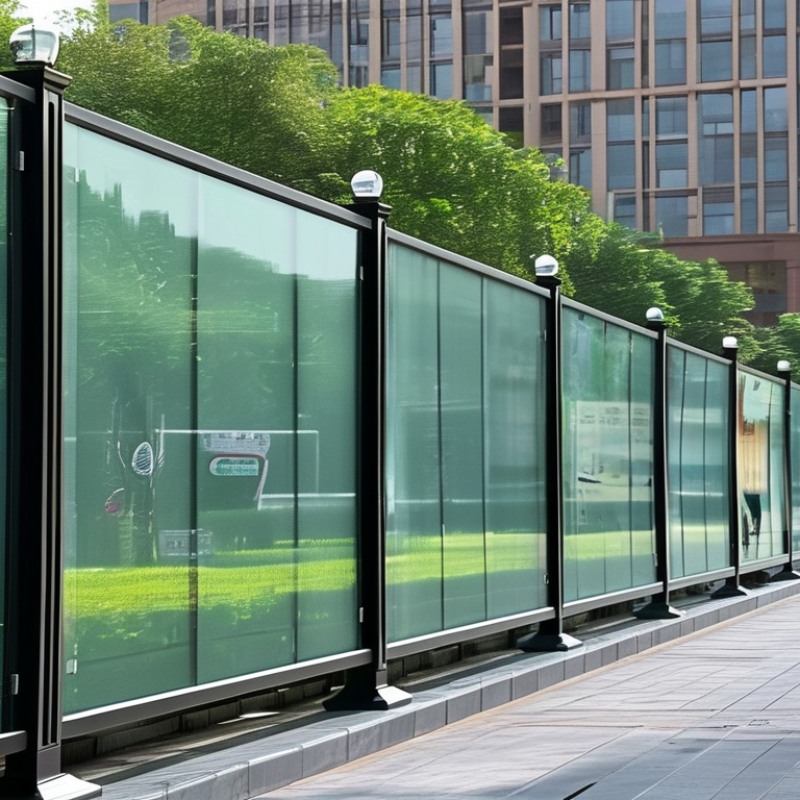
In recent years, the emergence of the Transparent Guardrail Display Screen has transformed the way we perceive safety and advertising. Experts in the industry, like Dr. Emily Chen, have emphasized its potential, stating, "The Transparent Guardrail Display Screen blends safety with innovation." This technology allows for seamless integration into public spaces while providing valuable information.
The Transparent Guardrail Display Screen is not just a barrier; it serves various functions. It enhances visibility while protecting pedestrians and drivers. However, some may question its effectiveness in high-traffic areas. It's crucial to weigh the benefits against potential downsides. Does this technology truly improve safety, or does it serve mostly as a marketing tool?
As cities evolve, the need for innovative solutions grows. The Transparent Guardrail Display Screen presents opportunities and challenges. It demands ongoing evaluation and improvement. Careful consideration of its implementation will define its success in urban landscapes.
What is a Transparent Guardrail Display Screen?
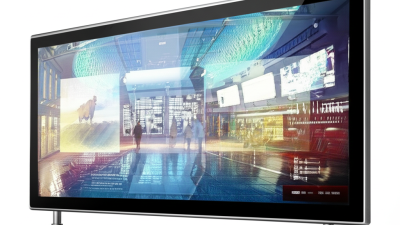
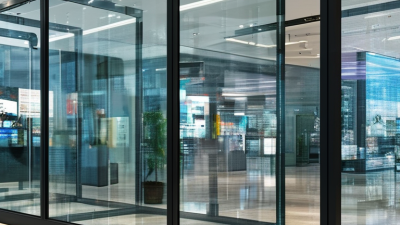
A transparent guardrail display screen merges functionality with modern aesthetics. These screens allow viewers to engage with content while maintaining visibility through structures, enhancing the user experience. The technology is gaining traction, particularly in high-traffic areas like shopping malls and airports. According to a recent market report, the transparent display market is projected to grow by 15% annually, underscoring its rising adoption.
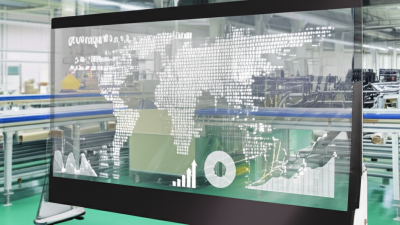
Transparent guardrail display screens utilize advanced OLED or LCD technologies. They provide high-resolution visuals without obstructing views. This feature stands out in environments where maintaining sightlines is crucial. Various studies highlight that transparent displays can increase customer dwell time by up to 25%. Engaging visuals can draw attention more effectively than standard screens. Yet, the challenge remains in balancing transparency and brightness. Not all locations can achieve optimal visibility under bright lighting conditions.
The versatility of these displays expands their appeal across multiple sectors, including retail, transportation, and entertainment. Installation complexity is a consideration; not all structures support these systems easily. Moreover, content management can be demanding, requiring continuous updates and creativity. Each display acts as both a barrier and a canvas, posing a unique challenge in design and implementation. As technology progresses, further improvements are expected, but understanding current limitations is essential for future development.
Key Features of Transparent Guardrail Display Screens
Transparent guardrail display screens are revolutionizing the way information is presented in various environments. They combine functionality with modern aesthetics. One appealing feature is their see-through design. This allows viewers to see the background while receiving essential information. It creates a seamless integration into venues like shopping malls and transportation hubs.
Another key feature is the versatility of these screens. They can display advertisements, wayfinding information, or event schedules. Their adaptability makes them suitable for both indoor and outdoor settings. The brightness and clarity ensure visibility, even in direct sunlight. However, there may be challenges regarding placement and lighting conditions.
These screens also offer an eco-friendly solution by using less power than traditional displays. Their installation can be an intricate process, requiring specialized knowledge. Proper maintenance is essential to ensure they function optimally. Although they come with a higher initial investment, long-term benefits may outweigh costs.
Benefits of Transparent Guardrail Display Screens
Benefits of Using Transparent Guardrail Display Screens
Transparent guardrail display screens are revolutionizing the advertising landscape. These screens offer a visually appealing way to showcase content without obstructing views. According to recent industry reports, the global market for transparent display technologies is projected to reach $4.5 billion by 2025. This growth is fueled by increasing demand from retail, transportation, and entertainment sectors.
Using transparent guardrail display screens provides numerous benefits. They create a unique viewing experience, allowing potential customers to engage with ads while maintaining visibility. This is especially beneficial in high-traffic areas. Additionally, these screens save space. In crowded environments, they eliminate the need for bulky display setups, thereby enhancing aesthetic appeal. Another advantage is energy efficiency. Many transparent screens utilize LED technology, which often consumes less power compared to traditional displays.
One important consideration is placement. A well-placed screen can significantly increase visibility and interaction. Testing different angles and heights can optimize engagement. Also, keep lighting conditions in mind. Too much glare can detract from your message. Ensuring that the screen complements the environment can enhance its effectiveness. Always evaluate the audience's response. Adjustments may be needed to maximize impact.
Applications of Transparent Guardrail Display Screens in Different Industries
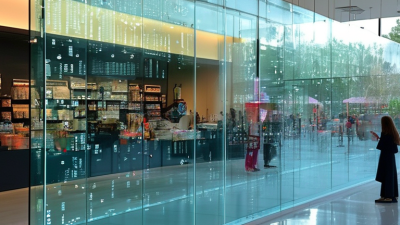
In various industries, transparent guardrail display screens are becoming increasingly popular. These innovative displays provide a unique blend of visibility and information sharing. Their use in retail environments has seen significant growth, with reports indicating that transparent displays can increase customer engagement by up to 50%. Retailers utilize them to showcase promotions or product information while allowing an unobstructed view through the display.
In the automotive industry, these screens are used in showrooms to enhance customer experience. They can simultaneously display information about cars and maintain the aesthetic appeal of the space. A study noted that customers are 30% more likely to inquire about a vehicle when interactive elements are present. However, it's important to consider the potential for information overload, which could overwhelm customers.
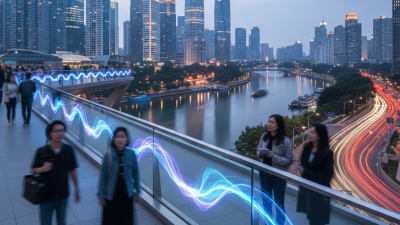
For smart cities, transparent guardrail screens can display real-time information, such as traffic updates or event alerts, directly integrated into urban spaces. Research suggests that cities incorporating digital displays can improve public engagement by over 40%. An essential consideration in this application is the design and placement of these screens, ensuring they do not distract motorists or pedestrians.
Consider the environment where you place these displays. Thoughtful placements can lead to better engagement. Testing various locations can provide insights into effectiveness.
Future Trends in Transparent Guardrail Display Technology
Transparent guardrail display technology is rapidly evolving. This innovation merges safety and communication, offering a unique visual experience. As urban environments grow, there’s a rising demand for visually appealing safety features. Transparent screens can present information while maintaining visibility. This dual functionality enhances the aesthetic appeal of public spaces.
Emerging trends highlight the integration of augmented reality with transparent displays. Future designs may allow virtual elements to overlay real-world scenes. This could transform advertising and public announcements into interactive experiences. However, the technology also faces challenges, such as screen durability and maintenance. Keeping screens clean in outdoor settings can be problematic.
Moreover, with growing concerns over privacy and data security, manufacturers must consider ethical implications. Balancing transparency in marketing while protecting user data is crucial. The evolution of transparent guardrail displays is not just about technology but also addressing these complexities. As solutions develop, the focus should remain on creating safe, informative, and engaging environments.
What is a Transparent Guardrail Display Screen and Its Benefits? - Future Trends in Transparent Guardrail Display Technology
| Feature |
Description |
Benefits |
Applications |
| High Transparency |
Allows for clear visibility while displaying content. |
Enhances user engagement without obstructing views. |
Retail displays, exhibitions, and museums. |
| Versatile Design |
Can be integrated into various structures and environments. |
Flexible use in different settings for varied purposes. |
Airports, train stations, and public spaces. |
| Energy Efficient |
Utilizes low power consumption technology. |
Reduced energy costs and environmental impact. |
Smart cities and eco-friendly initiatives. |
| Interactive Features |
Supports touch and gesture controls. |
Enhanced customer experience and interaction. |
Retail environments and trade shows. |
| Durable Construction |
Resistant to weather and wear. |
Long lifespan and requires less maintenance. |
Outdoor displays and public signage. |