Top Tips for Choosing a Transparent Underwater Screen?
The rise of the Transparent Underwater Screen has captured the attention of various industries, particularly in entertainment and marine education. According to a recent report by the Global Market Insights Group, the transparent display market is projected to reach $2.2 billion by 2025. This highlights the growing demand for innovative and immersive experiences, where transparent screens enhance visibility without obstructing the view.
Choosing the right Transparent Underwater Screen requires careful consideration of several factors. The screen's clarity, durability, and resistance to water pressure are key aspects to examine. Notably, a research study from the Visual Display Industry Association (VDIA) pointed out that screens that combine strength and visibility can increase user engagement by 40%. However, not all options on the market live up to these standards.
While many products claim to be the best, it’s essential to evaluate their performance in real-world conditions. Some users report issues with glare and visibility under certain lighting. Selecting the ideal Transparent Underwater Screen ultimately means balancing quality, cost, and specific application needs. Investing in a thorough research process can lead to more satisfactory outcomes and a reliable viewing experience in aquatic environments.

Understanding the Importance of Transparency in Underwater Screens
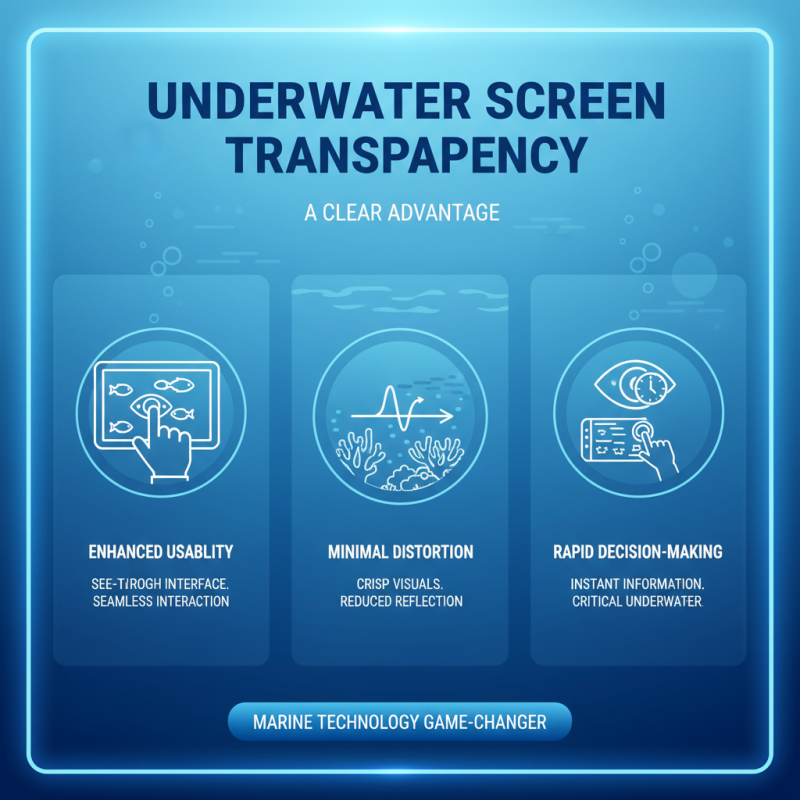
Choosing the right transparent underwater screen can be a game-changer for marine technology. Transparency is crucial. It allows users to see through the screen while still interacting with it. This feature enhances usability, especially in underwater environments. High transparency minimizes distortion. Clear visuals are essential for making quick decisions underwater.
A good transparent screen ensures visibility without compromising the quality of the display. Factors like water refraction can affect how objects appear behind the screen. Regular testing is necessary to ensure performance remains consistent. Uneven lighting can cause shadows, making it hard to see what's behind. This signifies the need for quality materials that not only resist moisture but also maintain optical clarity.
While looking for transparency, consider user experience. Test screens under simulated underwater conditions. This will give insight into how they perform. Remember, not every screen will meet your expectations. Some may struggle with clarity at certain angles. Keep an open mind and be prepared to adjust your choices. Ultimately, the right screen should enhance safety and navigation in the underwater world.
Key Factors to Consider When Selecting Materials for Underwater Screens
When selecting materials for transparent underwater screens, clarity is crucial. High-quality acrylic or polycarbonate often tops the list. These materials offer excellent light transmission. They also resist water distortion, maintaining visual quality. However, not all acrylics are equal. Some can yellow over time, impacting transparency. Be wary of cheaper options that may compromise quality.
Durability is another essential factor. Underwater screens face unique environmental challenges. UV exposure, temperature changes, and pressure can degrade materials. Look for options that provide added resistance to these elements. Testing for impact resistance is wise. You want a material that can withstand minor accidents without cracking.
Lastly, consider maintenance requirements. Transparent screens can attract algae and debris. Choosing materials that are easy to clean is beneficial. Some surfaces are more prone to scratches, which can dull clarity over time. Focus on features that enhance longevity while offering ease of care. Reflect on how often you can commit to maintenance before making a decision. This will ensure your underwater screen remains visually appealing and functional for years.
Top Tips for Choosing a Transparent Underwater Screen
| Criteria |
Importance Level |
Material Options |
Durability Rating |
| Transparency Level |
High |
Acrylic, Glass |
Moderate |
| Scratch Resistance |
Very High |
Tempered Glass |
High |
| Weight |
Medium |
Polycarbonate |
Moderate |
| UV Resistance |
High |
Acrylic, Polycarbonate |
High |
| Cost Efficiency |
Medium |
Acrylic, Polycarbonate |
Low |
Evaluating Visibility: Light Transmission Ratings and Their Impact
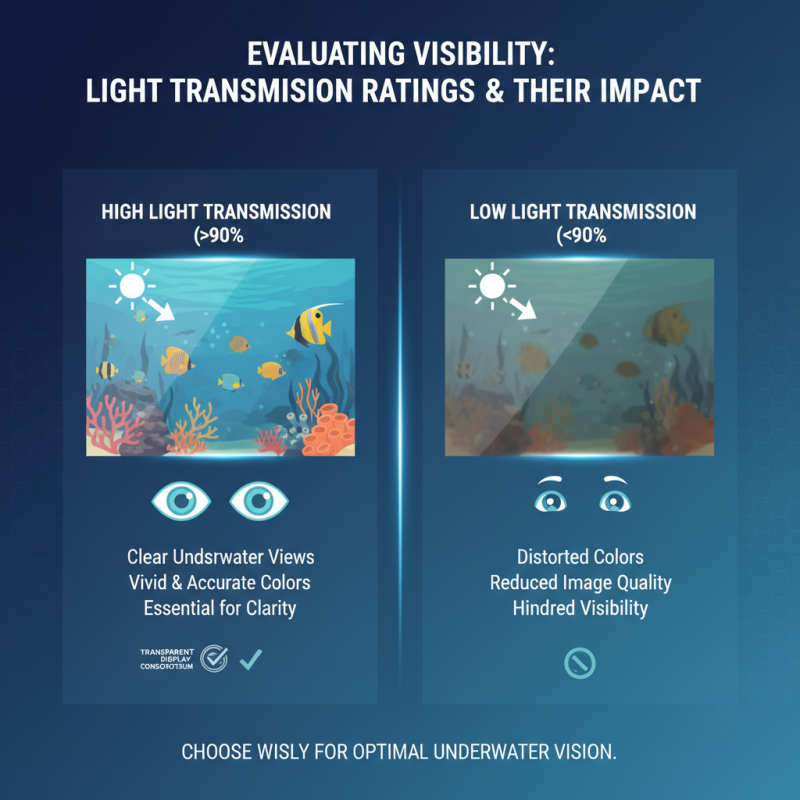
When selecting a transparent underwater screen, the visibility of the display is crucial. Light transmission ratings define how much light a screen allows to pass through. High light transmission rates, typically above 90%, are essential for clear visibility. This means underwater views remain vivid and accurate. According to a report by the Transparent Display Consortium, screens with lower transmission rates can distort colors and reduce overall image quality.
Another important factor is the angle of view. A screen with a light transmission rating of over 85% often performs better across various angles. This ensures that users can enjoy a consistent visual experience from different perspectives. Industry standards indicate that screens losing more than 15% of light quality can significantly affect user engagement.
However, it’s also vital to consider environmental conditions. High light transmission doesn’t always guarantee effectiveness in bright or murky waters. Reflections and refractions complicate underwater visibility. Some screens may appear clear in controlled conditions but struggle in varied underwater environments. Testing under actual conditions is essential for reliable results.
Assessing Durability: Resistance to Pressure and Environmental Factors
When selecting a transparent underwater screen, durability is paramount. The device must withstand significant pressure and environmental stressors. Research indicates that underwater screens endure pressures up to 1000 PSI at depths of around 300 feet. These measurements ensure functionality in extreme conditions.
Additionally, screens should resist environmental factors such as corrosive seawater and temperature fluctuations. Studies show that materials like polycarbonate have a superior lifespan, lasting up to 10 years in harsh marine environments. On the other hand, glass screens, while durable, might not perform well under rapid temperature changes.
Potential buyers must also consider the screen's maintenance needs. Regular inspections can identify weaknesses before they lead to failure. Proper care can enhance the lifespan of the screen significantly. Users often overlook these factors, which can result in costly repairs. In conclusion, understanding durability metrics aids in making an informed choice.
Assessing Durability of Transparent Underwater Screens
Cost vs. Performance: Finding the Right Balance for Underwater Systems
When selecting transparent underwater screens, cost and performance are crucial factors. A high-quality screen shouldn't break the bank, but it should deliver reliable results. Often, cheaper options compromise durability, which can lead to frequent replacements. It’s essential to evaluate what you truly need versus what is merely appealing on the surface. Some features may sound advanced but fail to perform adequately underwater.
Navigating this balance can be tricky. Certain materials appear visually stunning yet do not withstand the harsh underwater environment. Consider factors like water pressure, salt corrosion, and clarity over time. A more expensive option may bring peace of mind and longevity, reducing long-term costs. On the other hand, you may feel tempted to save money upfront, risking regular maintenance issues. Always weigh the initial cost against performance benefits and lifespan. Understand that an investment in quality often pays off in the end.
Ultimately, the choice should reflect both budget constraints and performance needs. Don't rush this decision. Deep research and careful consideration can lead to a well-informed choice. Your underwater system deserves reliability without financial strain. Balancing these aspects is not just about the price tag; it's about the future performance of your system.