Why Choose Flexible Transparent Led Film Screen for Your Display Needs?
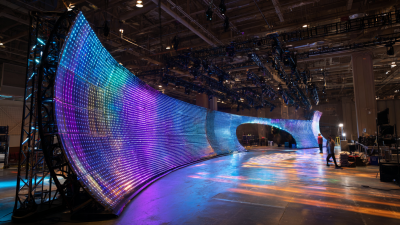
As businesses seek innovative display solutions, the demand for Flexible Transparent Led Film Screen technology is on the rise. John Smith, an industry expert, emphasizes, "This technology transforms spaces and enhances visibility without compromising aesthetics." The versatility of these screens allows for creative applications, from retail environments to museums.
With the ability to display vibrant visuals while maintaining transparency, Flexible Transparent Led Film Screens offer unique opportunities for all industries. However, not all installations achieve the desired impact. It’s vital to carefully plan placement and content to maximize their benefits. Many installations overlook this, resulting in missed potential.
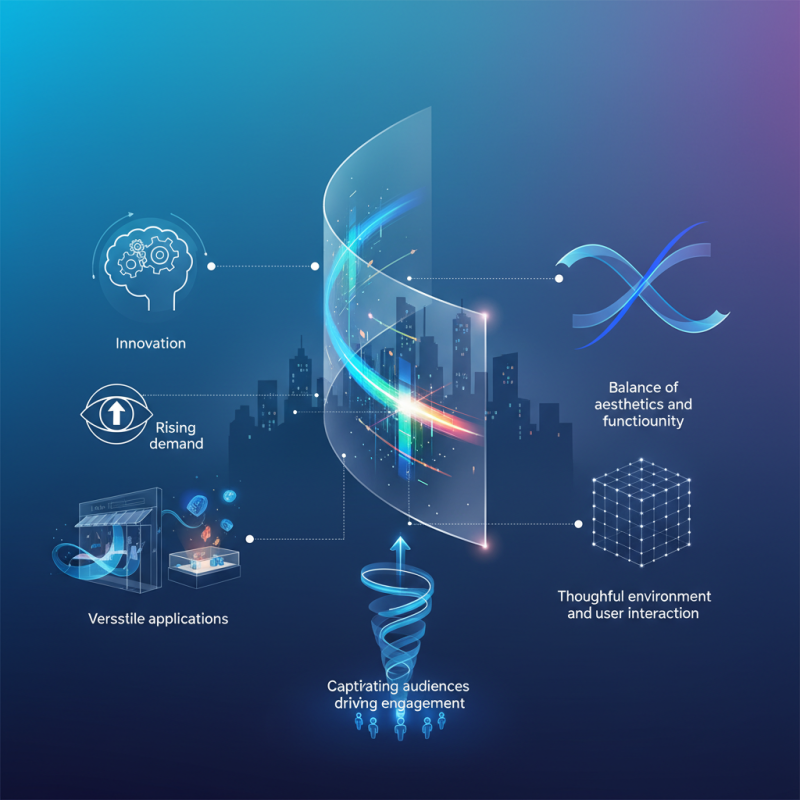
Choosing the right implementation strategy is crucial. Balancing aesthetics and functionality can be challenging. Companies must consider the environment and user interaction. While these screens are groundbreaking, they require thoughtful execution to shine. Embracing this technology can lead to stunning displays that captivate audiences and drive engagement, if done right.
Benefits of Flexible Transparent LED Film Screens in Modern Displays
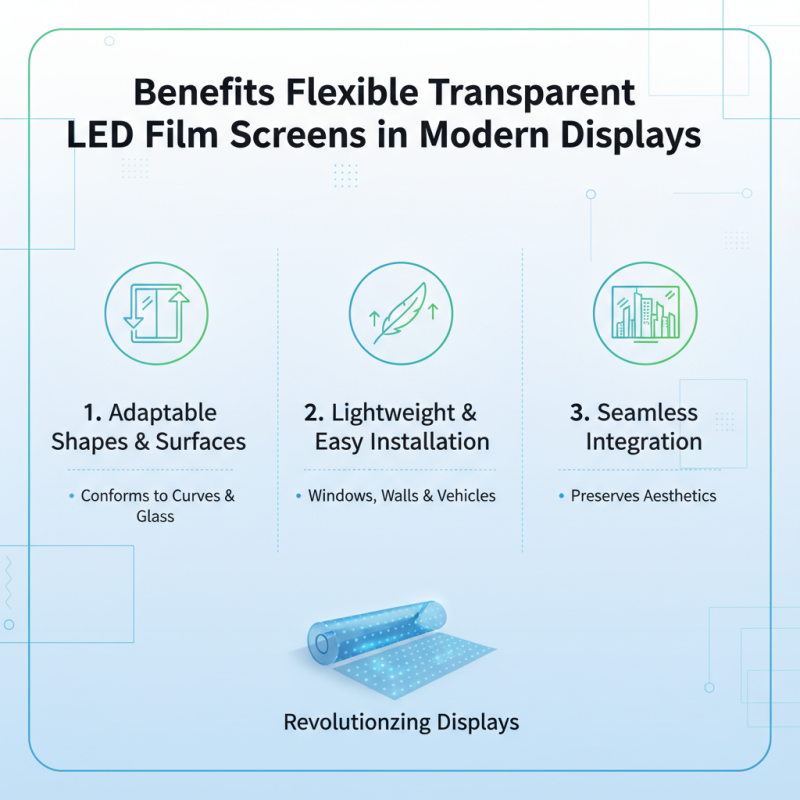
Flexible transparent LED film screens are revolutionizing modern displays. Their ability to conform to various shapes and surfaces makes them an ideal choice for diverse applications. These screens are lightweight, allowing for easy installation on windows, walls, or even vehicles. The transparency feature enables them to blend seamlessly into any environment, preserving the aesthetics of the displayed space.
One significant benefit is their energy efficiency. Flexible LED screens consume less power than traditional displays. This can lead to reduced operational costs over time. Additionally, they offer vibrant color reproduction and high brightness, ensuring images remain crisp under various lighting conditions. However, installation requires careful planning. Poor surface adhesion can lead to peeling or damage, affecting image quality.
Tips: Always assess your display area. Consider the contrasts in light and color between the screen and the background. Choosing the right location enhances visibility. Regular maintenance is essential too. Dirt or debris can obscure clarity, diminishing visual impact. Be mindful of environmental factors, like humidity, which can affect screen performance. These reflections on practical usage can ensure optimal results from your investment in flexible transparent LED film screens.
Technological Innovations Behind Flexible Transparent LED Film Screens
Flexible transparent LED film screens are revolutionizing display technology. These screens are uniquely designed for various applications, from retail environments to smart offices. Their transparency allows for immersive experiences while maintaining visibility through the display. According to recent market reports, the global transparent OLED market is expected to reach $1.25 billion by 2025, showcasing a growing demand for innovative display solutions.
Technological advancements are at the core of their functionality. Flexible LED film integrates organic semiconductor materials, which make screens lighter and more adaptable. This allows for bending and shaping around surfaces without losing visibility. Research indicates that flexible screens can reduce installation costs by up to 30% compared to traditional displays. However, challenges remain in achieving consistent color accuracy and durability.
While the potential is vast, there are considerations to keep in mind. The manufacturing processes must balance flexibility and longevity. Users often report issues with screen responsiveness in bright light. Such feedback highlights the need for ongoing refinement. The evolving technology promises immense benefits, yet it urges designers and manufacturers to critically assess and improve their products continuously.
Versatility of Applications for Flexible Transparent LED Film Screens
Flexible transparent LED film screens have gained popularity due to their versatility in various applications. They can be applied in retail spaces, exhibitions, and even in private homes. These screens can seamlessly blend with different environments, maintaining the aesthetic appeal while providing dynamic visual content. Whether you're showcasing products or creating immersive experiences, these screens offer a unique solution.
You can use flexible transparent LED films in window displays. This allows businesses to share information without obstructing the view. Consider using these screens in restaurants, where menus can be displayed directly on windows. This not only attracts customers but also enhances their dining experience.
When planning your display, ensure the content is engaging. High-resolution images and captivating videos are crucial. Test different viewing angles to see what works best. Sometimes, simpler designs can lead to better visibility. Reflect on how your audience interacts with the display to make necessary improvements. Flexibility in design can also encourage creativity. Experiment with shapes and placements for maximum impact.
Why Choose Flexible Transparent LED Film Screen for Your Display Needs?
| Feature |
Description |
Application Areas |
| High Transparency |
Allows for clear viewing of products behind the screen. |
Retail Displays, Museums |
| Flexible Design |
Can be easily installed on curved surfaces or customized shapes. |
Architectural Installations, Events |
| Lightweight |
Easy to transport and install without the need for heavy structures. |
Trade Shows, Promotions |
| High Resolution |
Delivers vibrant and detailed visuals, enhancing viewer experience. |
Digital Signage, Advertising |
| Energy Efficient |
Consumes less power compared to traditional displays. |
Public Installations, Eco-Friendly Campaigns |
Comparison with Traditional Display Technologies
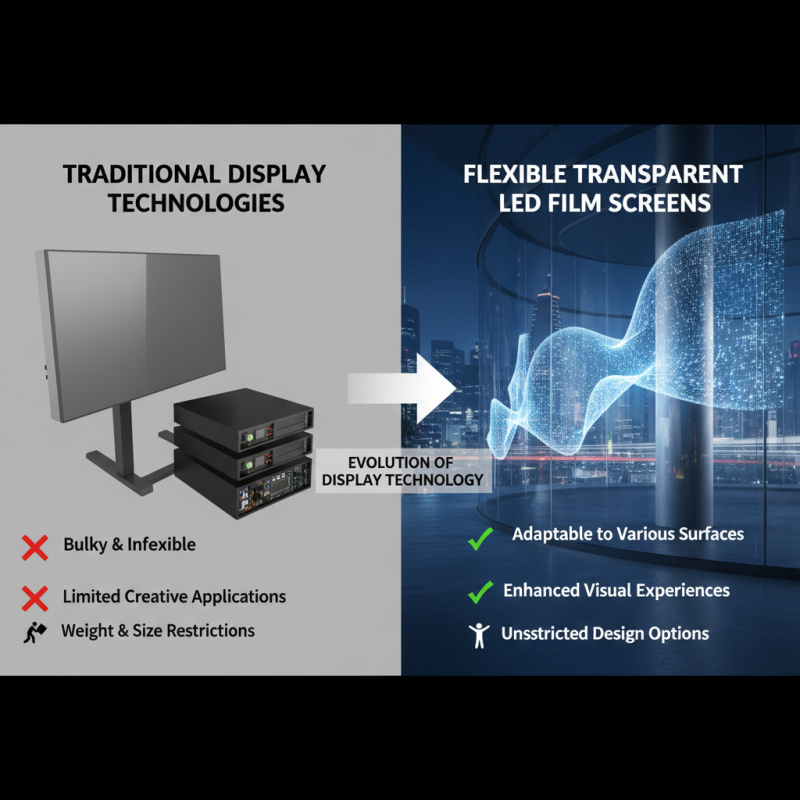
Traditional display technologies like LCD and LED panels have been the go-to options for many years. They offer reliability and consistent performance. However, these systems are often bulky and inflexible. This limits their applications in creative settings. The weight and size of traditional displays can restrict design options. In contrast, flexible transparent LED film screens can adapt to various surfaces, enhancing visual experiences.
Flexible LED film screens are lightweight and easy to install. They can be placed on windows, walls, or curved surfaces. This versatility opens new opportunities for innovative advertising and creative presentations. The transparency of the film allows ambient light to pass through. This feature is not found in traditional displays, making it ideal for retail environments. Moreover, energy consumption is usually lower, leading to cost savings over time.
While the advantages of flexible screens are clear, challenges remain. The installation process can be complex. Ensuring durability under various conditions is crucial. Some users may find the initial setup daunting. Yet, these hurdles are worth considering. With evolving technology, flexible transparent LED film screens will likely dominate the future of visual displays.
Cost-Effectiveness and Energy Efficiency of LED Film Screens
In today's competitive market, the cost-effectiveness of flexible transparent LED film screens stands out. These screens are both affordable and energy-efficient. By using less power than traditional displays, they help reduce overhead costs for businesses. The long lifespan of LED technology means fewer replacements and less waste.
Energy efficiency is an essential factor to consider. LED film screens consume significantly less energy than older display technologies. This not only lowers monthly utility bills but also decreases harmful emissions. Companies seeking sustainability can benefit from this technology.
**Tips:**
When selecting an LED film screen, assess your specific display needs. Ensure that the screen's specifications align with your project requirements. Investing in high-quality options may yield better returns over time. Remember to evaluate the installation costs against potential energy savings.
Cost-Effectiveness and Energy Efficiency of LED Film Screens