What is Flexible Led Film Screen and How Does It Work?
Flexible LED Film Screens are revolutionizing visual displays across various industries. These innovative screens are thin, lightweight, and can easily conform to different surfaces. According to a report by MarketsandMarkets, the global LED display market is expected to reach $19.3 billion by 2025. This growth highlights the increasing demand for versatile display solutions.
With advanced technology, the Flexible LED Film Screen offers superior image quality and flexibility. LED technology provides high brightness, vibrant colors, and energy efficiency, making it a preferred choice for both indoor and outdoor applications. Industry reports indicate that flexible displays are gaining traction in advertising, sports, and entertainment sectors. However, challenges remain in terms of durability and cost-effectiveness.
As we explore the functionality and applications of Flexible LED Film Screens, it becomes clear they play a significant role in shaping modern visual communication. Yet, the industry must address the limitations and ensure reliability in varying conditions. This balance between innovation and practicality will determine the future of flexible display technology.
What is a Flexible LED Film Screen?
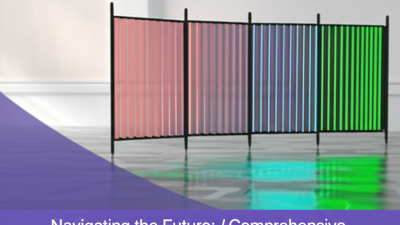
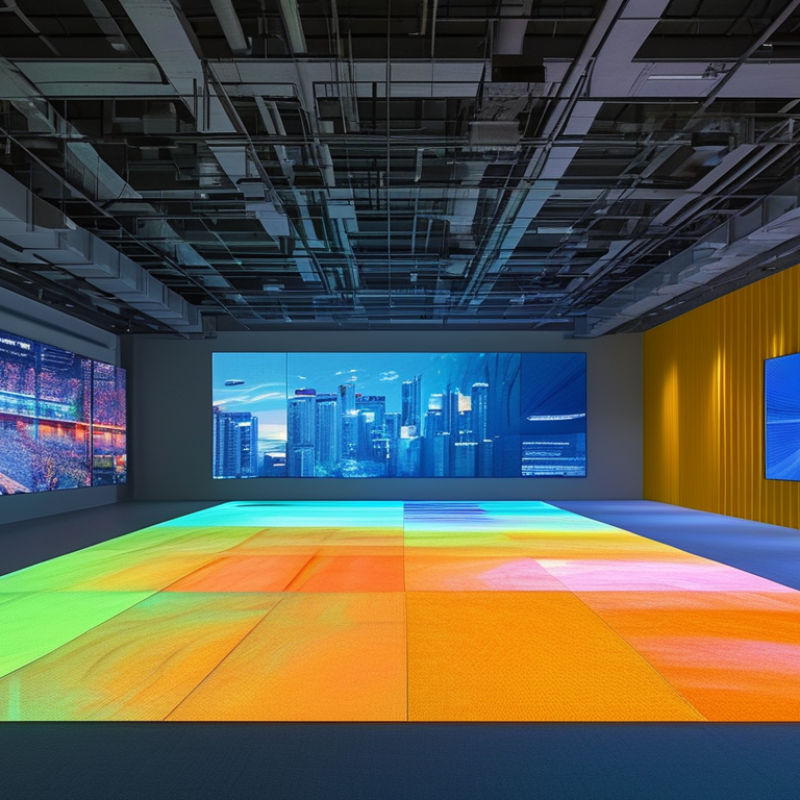
Flexible LED film screens are innovative display technologies, designed for adaptability and versatility. Unlike traditional screens, these films can bend and conform to various surfaces. They enable captivating visuals in unique shapes and settings. This flexibility is particularly advantageous for creative installations, advertising, and events.
The construction of flexible LED film screens involves lightweight materials. These screens are ultra-thin and can be rolled up or shaped to fit specific spaces. This technology reduces installation complexities, making setup easier than before. Additionally, the vibrant colors and high resolution enhance the viewing experience.
While they offer impressive benefits, challenges exist. The durability of flexible LED materials can be a concern. As these screens are prone to wear, proper care is essential. Environment factors, like extreme temperatures, can impact performance too.
For effective usage, think about your installation environment. High-traffic areas may require additional protection. Regularly check connections and ensure proper adjustments for optimal display quality. Lastly, explore different mounting options to maximize visibility and engagement.
What is a Flexible LED Film Screen and How Does It Work?
| Dimension |
Details |
| Technology |
Utilizes thin and flexible LED materials |
| Flexibility |
Can be bent and shaped to fit various surfaces |
| Applications |
Used in advertising, events, and architecture |
| Brightness |
High brightness level suitable for daylight viewing |
| Resolution |
Available in various pixel pitches for different clarity |
| Installation |
Easy to install on various substrates |
| Weight |
Lightweight compared to traditional LED screens |
| Durability |
Resistant to impacts and environmental factors |
| Cost |
Cost-effective for large installations |
Key Components of Flexible LED Film Technology
Flexible LED film screens represent a remarkable advancement in display technology. Their composition includes several key components, making them versatile and effective. At the core is the LED module, designed for lightweight flexibility. This allows screens to be adapted to various surfaces, both curved and flat. According to a report by MarketsandMarkets, the global flexible display market is projected to reach $56.83 billion by 2025.
Another essential element is the substrate. Made from materials like polyimide or PET, the substrate is crucial for the durability and performance of the screen. These materials provide strength while maintaining lightweight characteristics. An industry research shows that flexible displays can reduce weight by up to 80% compared to traditional LCD screens. This significant weight reduction plays a vital role in applications where mobility is key.
When considering installation, keep in mind that environmental factors affect performance. Humidity and temperature can impact flexibility and brightness over time. Proper installation is crucial for longevity. Regular maintenance checks can help mitigate potential issues. Always verify compatibility with existing technology to ensure seamless integration. Flexibility is an asset, but it also requires diligent care for optimal performance.
How Flexible LED Film Screens Work: A Technical Overview
Flexible LED film screens represent a significant advancement in display technology. These screens are composed of thin, lightweight materials that can bend and conform to various surfaces. A report from MarketsandMarkets indicates that the global flexible display market is expected to reach $250 billion by 2027. This growth highlights the increasing interest in flexible LED solutions across various sectors.
The technology behind flexible LED film screens involves a series of lightweight LEDs embedded in a polymer substrate. This allows for a thin design while maintaining exceptional brightness and color accuracy. Research suggests that these screens can achieve a color gamut of over 100% sRGB, making them ideal for vibrant applications. However, the manufacturing process presents challenges, such as ensuring optimal flexibility without compromising durability.
While the potential applications are vast, including marketing and events, there are still limitations. For instance, flexibility may lead to vulnerability in extreme conditions. Additionally, maintaining consistent quality across different screen sizes can be problematic. A recent study by IDTechEx indicated that improper handling during installation can lead to screen defects, risking both performance and user satisfaction. Understanding these factors is crucial for stakeholders considering investment in this emerging technology.
Applications and Benefits of Flexible LED Film Screens
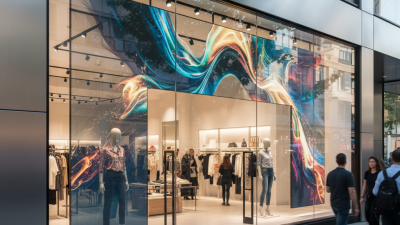
Flexible LED film screens are revolutionizing the way we visualize content. Their lightweight and pliable design allows for unique installations that traditional screens cannot achieve. These screens can conform to various surfaces, making them suitable for events, advertising, and even art displays. They are exceptionally adaptable. This adaptability opens up endless possibilities for creative expression.
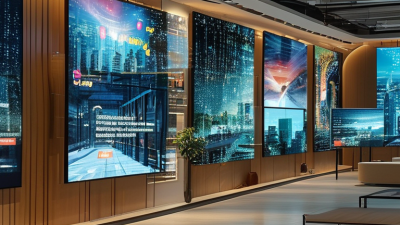
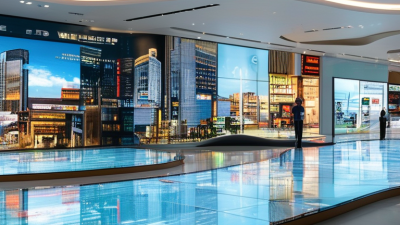
The benefits of flexible LED film screens are significant. They provide high-resolution images and vibrant colors. This visual quality attracts attention. Additionally, their low-profile design means they can be used in tight spaces, enhancing product displays or event staging. Companies are increasingly exploring their potential for immersive experiences. However, there remain challenges, such as durability and installation complexities. Proper planning is crucial to ensure effective use, as mistakes can lead to subpar displays.
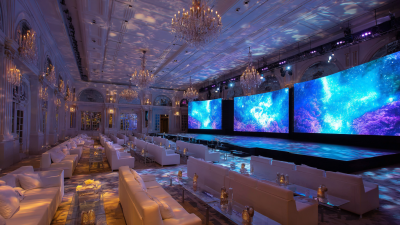
The applications of these screens are as diverse as their design. They are being used in concerts, trade shows, and retail environments. Their ability to create eye-catching, dynamic environments makes them valuable in marketing. But it’s essential to remember that not every installation will meet expectations. Some may find that the technology requires more expertise than anticipated. The growth of flexible LED film screens represents both innovation and a learning curve.
Future Trends in Flexible LED Film Screen Technology
Flexible LED film screens are gaining traction in various sectors, particularly in advertising and entertainment. According to industry reports, the global flexible display market is projected to reach $20 billion by 2026, growing at a CAGR of 24%. This surge indicates a robust interest in adaptable solutions that can fit diverse environments. Designers favor flexible LED screens for their lightweight design and versatility, which allow for innovative applications, from cylindrical displays to unusual shapes, bending around structures.
Future trends point toward increased integration with smart technologies. Enhanced interactivity is one area of focus. Reports show that more than 50% of consumers engage with digital displays that respond to touch or motion. There's an emerging need for screens that adapt in real-time to their surroundings. For instance, screens that adjust brightness based on ambient light conditions can enhance visibility and reduce energy consumption.
However, there are challenges to consider. Issues like durability and image quality under varying conditions necessitate ongoing research. Some flexible screens struggle with pixel density compared to traditional counterparts. The balance between flexibility and performance is still being navigated. These considerations highlight a dynamic landscape that requires both innovation and pragmatism from developers and designers alike.