Top Tips for Using Transparent Underwater Screens Effectively?
The use of Transparent Underwater Screens has gained popularity in various fields, including aquariums, exhibits, and entertainment venues. These innovative screens transform how we experience underwater environments. They offer a unique blend of visibility and engagement. However, utilizing them effectively requires a thoughtful approach.
These screens can enhance visual storytelling and provide immersive experiences, yet challenges exist. Proper placement and lighting are crucial for optimal visibility. Additionally, maintenance must not be overlooked; clarity can diminish with algae or water residue. Experimentation with design and functionality can lead to impressive outcomes, but it is necessary to reflect on what works best for your specific environment.
To maximize their potential, one must consider both technological advantages and inherent limitations. Understanding the specific needs of your audience can help tailor the experience. Transparent Underwater Screens are powerful tools, yet their effectiveness relies on how thoughtfully they are integrated into the overall experience. Embrace creativity, but be cautious not to sacrifice practicality.
Understanding Transparent Underwater Screens: An Overview
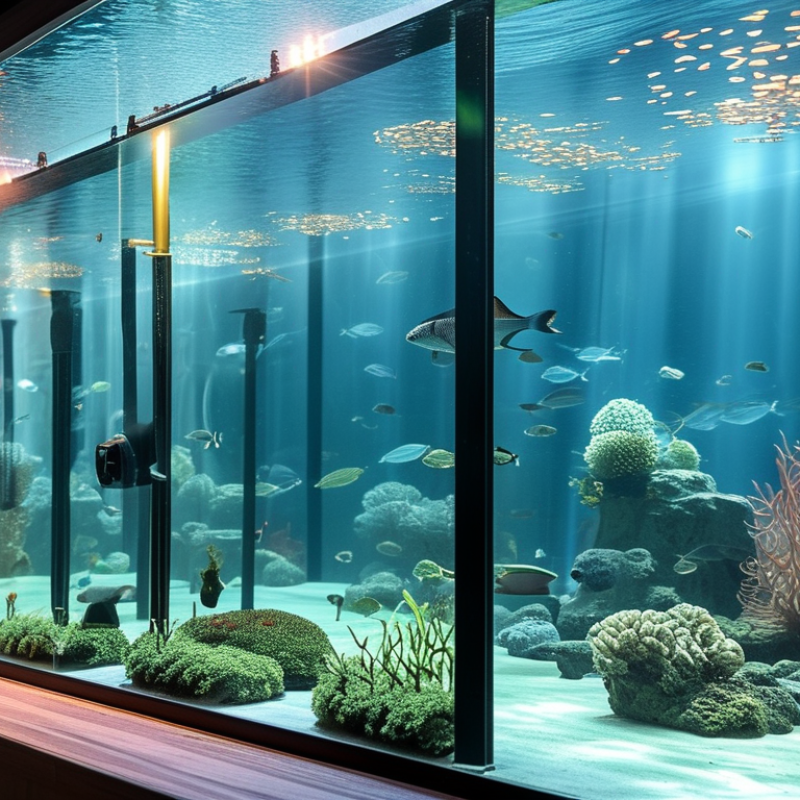
Transparent underwater screens are an innovative technology used in various applications, from exhibitions to aquariums. They allow viewers to see through the screen while displaying digital content. As this technology evolves, understanding its effective use is crucial for maximizing impact.
One tip for using these screens is to ensure proper lighting. The surrounding environment should be controlled to enhance the visibility of the displayed content. Bright lights can wash out images, making them less effective. Adjusting the ambient light can create a captivating experience that engages viewers.
Another important consideration is content selection. The visuals must be vibrant and easily recognizable. Simple messages often work best. Complex imagery may lose clarity and fail to convey the intended message. Take the time to evaluate what resonates best with your audience.
Lastly, maintenance is key. Regular cleaning ensures clarity and prevents distortions caused by water stains. Neglecting this can hinder the experience significantly. Reflect on the effectiveness of your setup. Continuous learning and adaptation can lead to improved results over time.
Key Benefits of Transparent Underwater Screens in Various Applications
Transparent underwater screens offer unique benefits in various applications. These screens can enhance underwater visibility while serving as a canvas for information display. They are particularly useful in aquariums and marine exhibits, blending technology with nature. Visitors can learn about marine life without obstructing their view. Many aquariums have adopted these screens to create engaging experiences.
In architectural settings, transparent screens divide spaces elegantly. They create interactive environments in pools and spas. Guests can appreciate water features without losing the open feel of the space. Using these screens also invites creativity, allowing for dynamic visual presentations. However, maintenance might pose challenges. Keeping screens clean and functional requires regular effort.
Healthcare facilities benefit from these screens as well. In therapeutic and rehabilitation settings, they can display calming visuals. This can enhance patient wellbeing by reducing stress. Despite the advantages, some users may find the initial setup complex. Training staff on effective usage is essential for maximizing benefits.
Key Benefits of Transparent Underwater Screens in Various Applications
Best Practices for Installation and Maintenance of Underwater Screens
When installing transparent underwater screens, proper placement is crucial. Assess the surrounding environment before installation. Consider underwater currents, lighting, and local wildlife. Screens should be positioned to minimize any obstruction while maximizing visibility. Secure the screens with appropriate anchors to withstand shifts or turbulence in the water. Check the physical integrity of these screens regularly to ensure they are not damaged.
Maintenance is essential for longevity and performance. Regularly clean the screens to remove algae, debris, and sediment. A simple brush might suffice for light cleaning, but a deeper scrub may be necessary after storms. Inspect the installation supports and seals for wear and tear. Replacing degraded components before they fail can prevent bigger issues. Note that weather conditions can impact maintenance schedules. Be prepared to adjust cleaning routines based on seasonal changes.
Monitoring the screens continuously helps in assessing their efficiency. Collect data on their performance, such as visibility clarity and structural stability. Documenting any changes can reveal trends and areas needing improvement. Reflection on recurring issues may lead to better strategies. It’s essential to adapt maintenance procedures based on experiences over time. Prioritizing effective management ensures that underwater screens fulfill their purpose effectively.
Effective Design Strategies for Enhancing Visibility and Impact
When designing transparent underwater screens, visibility is key. The right lighting can significantly enhance your display. Using adaptive LED lights can adjust based on the surrounding environment. This ensures optimal visibility at different times of the day. Experimenting with various brightness levels helps find the balance that works best.
Another effective strategy involves color selection. High-contrast colors draw attention. Shades of blue and green can blend too much with the water. Instead, choose vibrant hues that stand out. Test how different colors interact with the underwater backdrop. Take time to gather feedback on which combinations resonate more.
Lastly, consider the layout of your content. Keep it simple and focused. Cluttered screens can be overwhelming. Use clear, concise messages and compelling visuals. Regular reviews of your screen designs can pinpoint areas of improvement. Engage with your audience to see what captures their interest. This iterative process can lead to better results over time.
Engaging Audience Through Interactive Features with Underwater Screens
Transparent underwater screens offer a unique way to engage audiences. These screens can create immersive experiences that captivate visitors. Imagine a group of divers exploring marine life while an underwater screen provides real-time information or interactive content about the species they encounter. This interaction can enhance learning and make the experience memorable.
Incorporating interactive features is essential for maximizing the impact of these screens. Features like touch-sensitive displays and motion tracking can draw people in. For instance, guests might touch the screen to learn more about a specific fish or environmental topic. However, it's crucial to ensure these interactive elements are user-friendly. Complicated interfaces can frustrate users, detracting from their enjoyment.
Additionally, using dynamic content is key. Changing visuals or animations can maintain interest over time. Yet, care should be taken to balance this with the natural beauty of the underwater world. Too much distraction might overwhelm visitors. Keeping a clear focus on the screen's purpose—educating and engaging—is fundamental to success. The effectiveness of transparent underwater screens lies not just in technology but in thoughtful design and execution.
Top Tips for Using Transparent Underwater Screens Effectively
| Tip Number |
Tip Description |
Interactive Feature |
Engagement Level |
| 1 |
Create eye-catching visuals |
Interactive animations |
High |
| 2 |
Incorporate sound for deeper impact |
Audio feedback on interaction |
Medium |
| 3 |
Utilize motion sensors for engagement |
Gesture control |
High |
| 4 |
Design for accessibility |
Customizable interfaces |
Medium |
| 5 |
Engage users with gamification |
Interactive challenges |
High |