What is a Curved Screen and Why Should You Consider One?
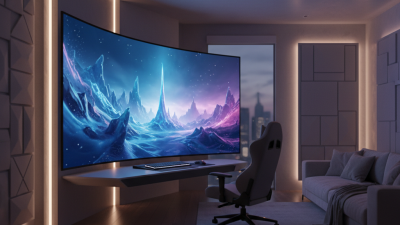
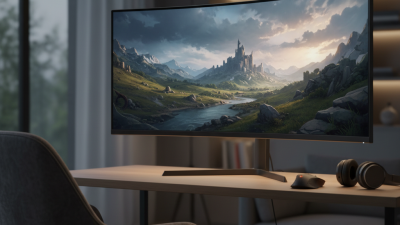
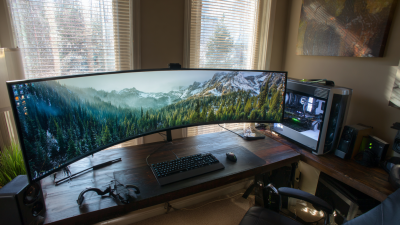
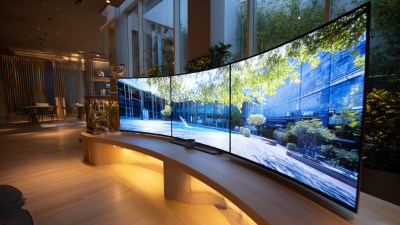
Curved screens have gained popularity in recent years, transforming how we experience visuals. Their unique design offers an immersive viewing experience that flat screens struggle to achieve. This type of screen wraps around your field of vision, enhancing depth and perspective.
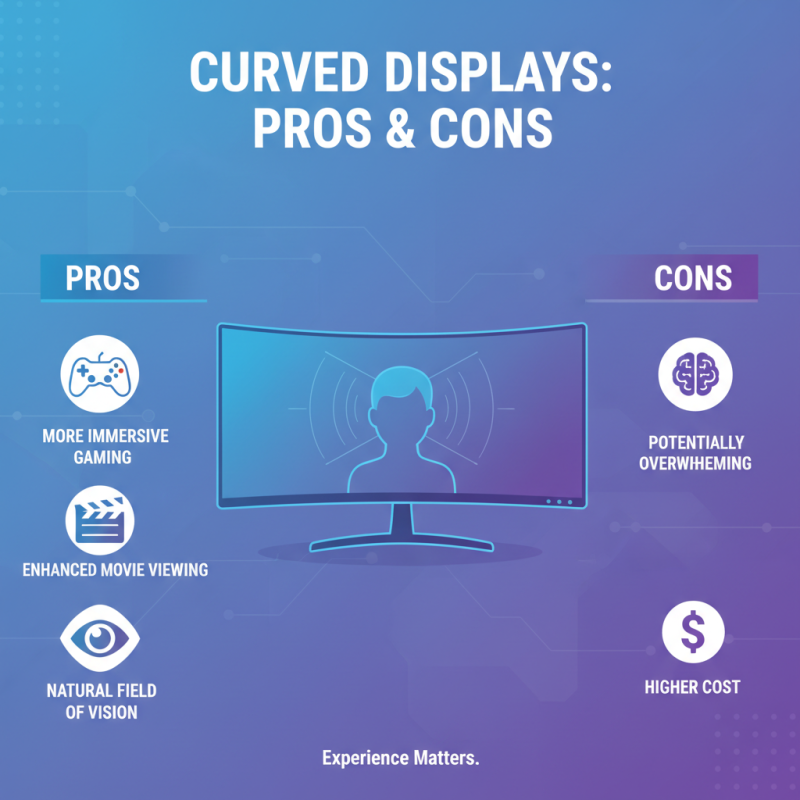
Imagine watching a movie or playing a video game. The curved screen draws you in. You feel more connected to the action. The edges of the screen create a sense of involvement. Yet, not everyone is convinced. Some may find the experience disorienting or overly stimulating. Preferences vary greatly, and it’s essential to consider your own needs.
Curved screens also have practical benefits. They can reduce glare and reflections, making them more comfortable for long viewing sessions. However, they are often more expensive than flat screens. The decision to choose a curved screen should weigh these factors. Explore the potential advantages and consider if they align with your viewing habits.
What is a Curved Screen and How Does It Work?
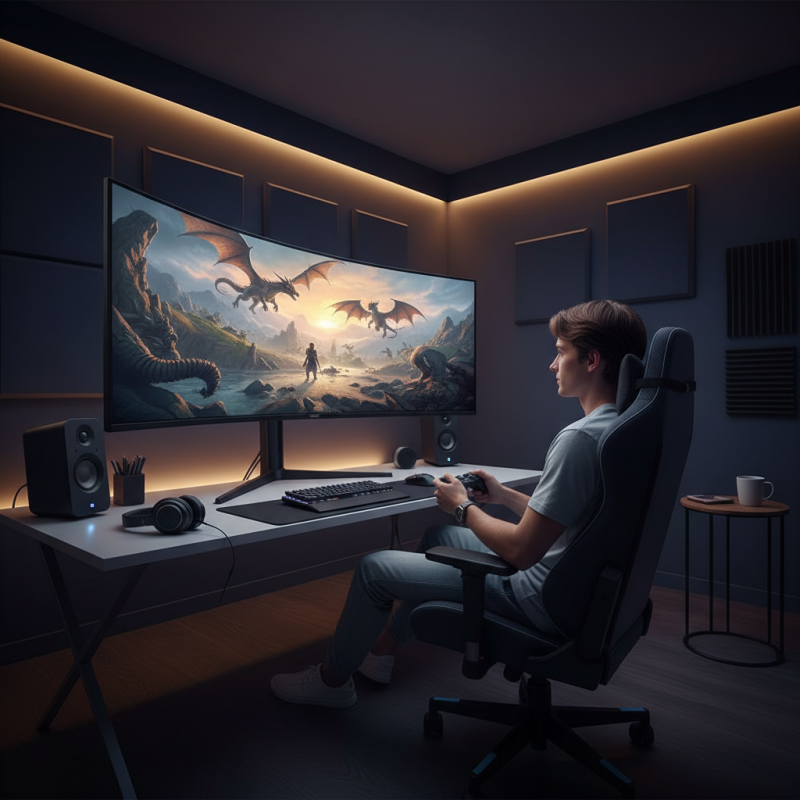
Curved screens are designed to provide an immersive experience. They bend slightly, creating a wider field of view. This curvature can enhance depth perception, making images appear more lifelike. The slight arc can also reduce glare from lights. Users often find it easier to focus on curved displays.
The technology behind curved screens involves the use of specific screen geometry. This design affects how images are projected. Unlike flat screens, which can create distortion at the edges, curved screens maintain clarity across the entire surface. This can make gaming and watching movies more enjoyable. However, not everyone appreciates the curved design. Some feel it can be overwhelming or even disorienting.
While there are benefits, the drawbacks deserve attention. Finding the right angle for viewing can be tricky. If you sit too close, the curve can distort your perspective. Plus, mounting options may be limited due to the shape. Take time to reflect on whether the immersive experience is worth these potential issues. Curved screens can be a game changer, but understanding personal preferences is vital.
The Design and Technology Behind Curved Screen Displays
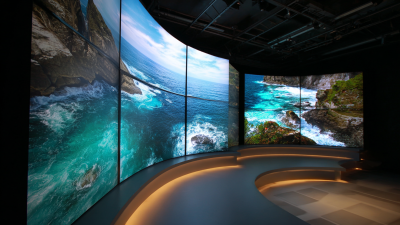
Curved screen displays have gained popularity for several reasons. Their design is not just about aesthetics; it’s about how they wrap around your field of vision. This wraparound effect can create a more immersive experience. Gaming and movies can feel more engaging, as the screen curves to match your peripheral vision. It can be a more natural experience, but it may feel overwhelming for some.
The technology behind curved screens incorporates advanced display methods. These screens use a unique layout of pixels that allows for better contrast and color representation. The curvature can reduce glare and reflections, creating a clearer image. However, this is not always the case. Some users report distortion at certain angles. This may vary based on the screen's degree of curvature.
While many appreciate the immersive qualities, the practicality can be questioned. For example, viewing angles might not suit every setup. If your seating is not centered, you may miss out on clarity. A curved screen is an investment, but it requires careful consideration of how you plan to use it. Its design can be attractive, yet it’s essential to reflect on whether it fits your specific needs.
Advantages of Curved Screens: Immersion and Viewing Experience
Curved screens have gained popularity in recent years, primarily due to their immersive qualities. The design attempts to mimic the natural curvature of human vision. This makes for a more engaging viewing experience. According to a recent report from DisplayMate, curved screens can offer a 23% wider field of view compared to flat screens. This enhances depth perception and draws viewers into the action.
Research conducted by the International Data Corporation (IDC) indicates that users often report higher levels of satisfaction with curved displays. In fact, 78% of users reported feeling more engaged while watching films on curved screens. The more natural curve can reduce eye strain, an important factor for those spending long hours in front of displays. However, some critics argue that these screens may not be suitable for all types of content. The experience can be less impressive with certain media formats, like video games that don't take advantage of the curvature.
Moreover, the viewing angles can sometimes be less favorable compared to flat screens, especially for multiple viewers. Some users might feel the need to sit directly in front of the screen for an optimal experience. Despite these drawbacks, the advantages of immersion and improved viewing can heavily outweigh the negatives for many. The appeal grows as technology improves, pushing boundaries further in display innovation.
What is a Curved Screen and Why Should You Consider One?
| Feature |
Curved Screen |
Flat Screen |
| Field of View |
Enhanced immersive experience with wider field of view |
Narrower field of view, less immersive |
| Viewing Angle |
Greater viewing angles with consistent colors |
Limited viewing angles; color distortion at sides |
| Design |
Sleek, modern appearance |
Traditional flat design |
| Gaming Experience |
More immersive and engaging for gaming |
Standard gaming experience |
| Eye Strain |
Reduced eye strain due to natural curvature |
Higher potential for eye strain |
Market Trends: Sales Data and Consumer Preferences for Curved Screens
Curved screens have gained traction in the market in recent years. According to a recent industry report, sales of curved monitors grew by over 25% last year. This surge is largely due to their immersive viewing experience. Consumers are drawn to the way these screens wrap around their field of vision. It makes watching movies and gaming an exciting experience.
However, not everyone is on board with this trend. Some studies indicate that about 30% of users prefer traditional flat screens. They argue that curved displays can be disorienting. Also, glare and reflection can be problematic for certain setups. According to recent surveys, nearly 45% of buyers are unsure if they should invest in a curved screen. This hesitation highlights an ongoing debate about their value.
Market analysts suggest that pricing impacts consumer decisions significantly. Curved models can be up to 20% more expensive than flat counterparts. Not all consumers see this as justifiable. They may need more convincing regarding the benefits of curvature. While the trend is promising, challenges remain that could shape future sales data.
Sales Data for Curved Screens Over the Years
Comparative Analysis: Curved Screens vs. Flat Screens in Performance and Cost
Curved screens offer a unique viewing experience. They are designed to wrap around your field of vision. This creates a more immersive feel, especially when gaming or watching movies. The curves can enhance depth perception. However, not everyone finds them suitable. Some users may feel slightly disoriented. It’s important to test before committing.
When comparing curved screens to flat ones, performance varies. Curved displays can reduce glare and reflections. This is beneficial in brightly lit rooms. On the other hand, flat screens typically provide a wider viewing angle. Some users prefer this openness. Pricing is another factor. Curved displays tend to be more expensive. The additional cost may not justify the benefits for casual users.
Think about your needs carefully. Consider the space where you’ll use the screen. Will you often use it alone or share with others? It’s vital to weigh functionality against cost. Ultimately, the choice is personal. Each user will have different experiences and expectations.