How to Choose the Right Water Pump Casing for Your Needs?
Choosing the right water pump casing is crucial for efficiency and longevity. As industry expert John Smith once noted, "The right casing makes all the difference in performance." Understanding your specific needs is vital when selecting a water pump casing. Consider factors such as materials, size, and compatibility.
Different applications require different casings. For instance, residential systems may need lightweight options, while industrial settings often use heavy-duty models. Each choice impacts water flow and system durability. It's important to evaluate these variables carefully.
Mistakes in selection can lead to inefficiency. An incorrect water pump casing can cause leaks or operational issues. Sometimes, people overlook the long-term consequences of their choices. Reflecting on your needs may reveal gaps in understanding. A thoughtful approach will ensure better performance and satisfaction.
Understanding the Function of Water Pump Casings
Water pump casings play a crucial role in the overall efficiency and performance of a water pump system. Their primary function is to house the pump components while ensuring proper hydraulic flow. When selecting a casing, it’s essential to consider the material and design, as these factors significantly affect durability and maintenance needs. According to a recent industry report, over 35% of pump failures are attributed to casing-related issues, showcasing the importance of this component.
Different applications require specific casing designs. For example, casings must withstand varying pressure levels and environmental conditions. A study highlighted that stainless steel casings are preferred in corrosive environments, offering enhanced longevity. On the other hand, cast iron remains a popular choice for applications with low maintenance requirements. The decision on the casing material significantly influences not only the pump life cycle but also operational costs.
It’s important to note that improper casing selection can lead to inefficiencies. Some users discover leaks or overheating, resulting in unexpected downtime. Reflections on past projects show that inadequate casing specifications contributed to over 20% of the total system failures. This underlines the necessity of thoroughly understanding the function and requirements of water pump casings to make informed decisions. Addressing these challenges early can save time and expenses in the long run.
Types of Water Pump Casings and Their Applications
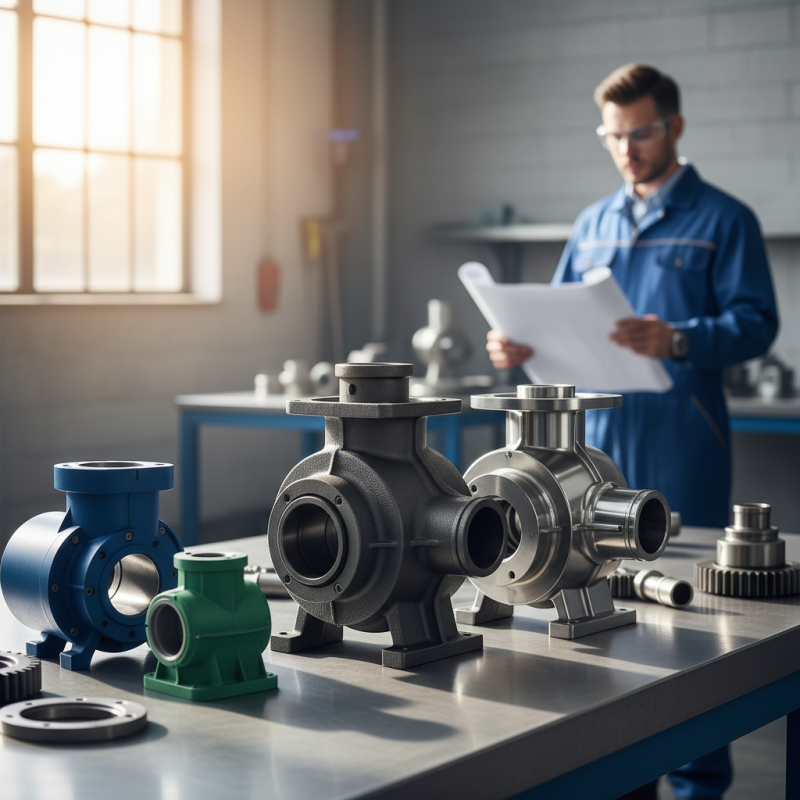
When selecting a water pump casing, understanding the various types is crucial. For instance, cast iron casings are renowned for their durability. They can withstand high pressures and are resistant to corrosion. This makes them ideal for industrial applications.
Conversely, plastic casings are lighter and often more affordable. They work well in residential settings or less demanding environments.
Another option is stainless steel casings. They are highly versatile and can handle a range of temperatures and pressures. According to industry reports, nearly 30% of water pump systems utilize stainless steel due to its resilience and easy maintenance. However, these casings can be more expensive, which may not suit all budgets.
It's important to match the casing type to your needs. A pump intended for a high-volume irrigation system requires a different approach compared to one meant for aquarian use. Many users overlook this factor, leading to inefficient systems. Proper assessment of your specific requirements can prevent costly mistakes and ensure optimal performance.
Factors to Consider When Choosing a Water Pump Casing
Choosing the right water pump casing involves several key factors. One major consideration is the material of the casing. It’s crucial to select a material that can withstand the environment. For example, if your pump will be exposed to corrosive substances, a stainless steel casing may be ideal. However, this choice could lead to higher costs.
Another important factor is the size and design of the casing. Ensure that the size matches the pump's specifications. An ill-fitting casing can cause leaks or reduced efficiency. Furthermore, the design should allow for easy maintenance. Think about how often you will need to access the pump. Accessibility can influence both functionality and repair costs in the long run.
Keep in mind that not every decision will be perfect. Each choice might have trade-offs. For instance, opting for a lighter material can make installation easier, but may compromise strength. Reflecting on these details will help you make a more informed decision. Ultimately, understanding these factors can lead to a more reliable and efficient water pumping system.
How to Choose the Right Water Pump Casing for Your Needs? - Factors to Consider When Choosing a Water Pump Casing
| Factor | Description | Considerations | Importance Level |
| Material | The casing material affects durability and corrosion resistance. | Consider environmental conditions (e.g., fresh water vs. seawater). | High |
| Size | Size determines the flow rate and the pump's capacity. | Match the size with the intended application or system requirements. | Medium |
| Sealing Type | Different seals prevent leaks and contamination of the fluid. | Identify whether the application requires a certain type of seal. | High |
| Compatibility | The casing must be compatible with the pump and connected systems. | Check compatibility with existing systems to avoid operational issues. | High |
| Weight | Weight affects installation and mobility, especially for portable pumps. | Consider transport and handling requirements. | Medium |
Material Options for Water Pump Casings: Pros and Cons
Choosing the right material for water pump casings is crucial. Different materials offer unique advantages and disadvantages. For example, cast iron is strong and durable. It's a common choice for heavy-duty applications. However, it can rust over time, which requires maintenance.
Stainless steel, on the other hand, resists corrosion. It is ideal for environments with high humidity or exposure to chemicals. According to industry reports, stainless steel can increase the lifespan of pumps by up to 30%. Yet, it comes with a higher price tag. Budget considerations may limit its use.
Plastic casings are lightweight and resistant to a variety of chemicals. They offer flexibility in design and installation. However, their mechanical strength can be inferior compared to metals. This might lead to concerns about durability under heavy load. Each material has its own set of trade-offs. It’s essential to weigh these factors carefully before making a decision.
Material Options for Water Pump Casings: Pros and Cons
Maintenance Tips for Ensuring Longevity of Water Pump Casings
Maintaining your water pump casing is crucial for its longevity. Regular inspections can prevent major issues. Look for cracks, corrosion, and any unusual wear. These signs often indicate that problems are on the horizon. It's easy to overlook small signs, thinking they are insignificant. Don't make that mistake. Taking a moment to check every few weeks can save you money later.
Cleaning the casing is also important. Dirt and debris can build up over time. This buildup can interfere with the pump's function. Use a soft brush and mild detergent, ensuring you rinse thoroughly. You don’t want leftover soap to cause damage. Regular maintenance checks often get neglected. However, setting a schedule can help keep everything running smoothly.
Finally, check the seals and gaskets. They wear out and can cause leaks. Replacing them might seem like a hassle, but it’s better than facing a major repair. A proactive approach helps avoid unexpected issues. You might wonder why these details matter. In the long run, they make a difference. A little care goes a long way.