How to Choose a Corrugated Iron Roofing Sheet Making Machine?
The choice of a corrugated iron roofing sheet making machine is critical for manufacturers. The roofing industry has seen a substantial growth, with a projected market size of USD 7.7 billion by 2025. This increase highlights the importance of selecting the right machinery to meet demand.
Expert John Smith, a leading figure in the roofing machinery sector, once stated, “Quality machinery can revolutionize production efficiency in roofing.” His insight emphasizes the impact of choosing suitable equipment. It's vital to consider various factors like machine reliability, production speed, and material versatility. Selecting an inferior machine can lead to inefficiencies and increased costs.
Understanding maintenance needs is essential. Machines that are difficult to service can stall production, leading to costly downtime. There's always a balance between price and quality. It’s tempting to cut costs, but this often results in poor performance. Ultimately, selecting a corrugated iron roofing sheet making machine is not just a financial decision. It affects production quality and customer satisfaction.
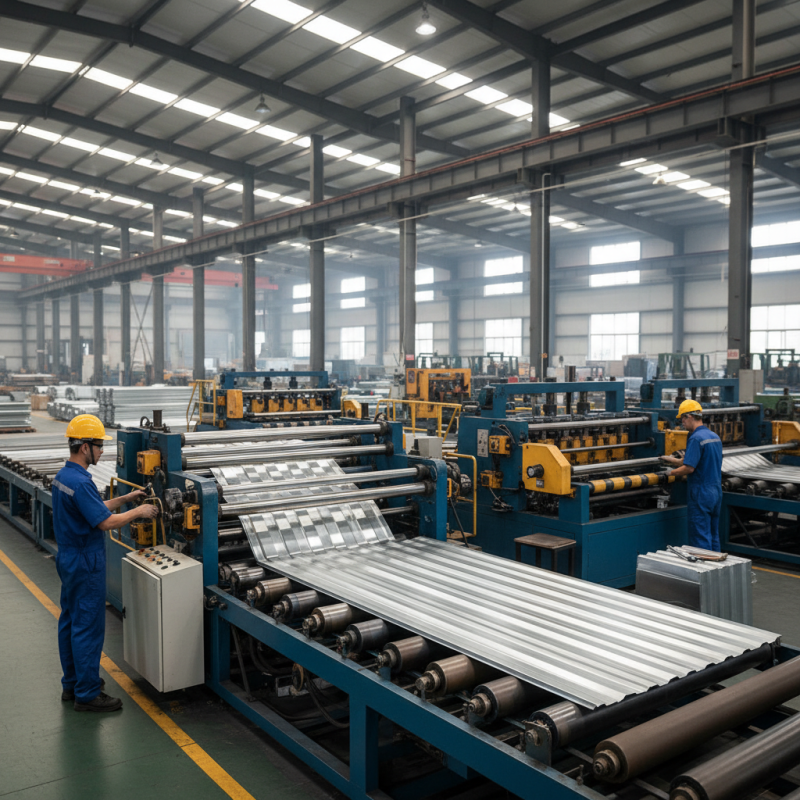
Understanding the Basics of Corrugated Iron Roofing Sheet Machines
When selecting a corrugated iron roofing sheet making machine, understanding the technology is crucial. These machines have evolved significantly. For instance, modern systems often boast a production speed exceeding 20 meters per minute. This is a game-changer for manufacturers aiming to meet rising market demands.
Consider the operational efficiency. Data shows that machines with higher automation levels can reduce labor costs by up to 30%. However, investing in automation requires careful evaluation. Not all facilities will benefit equally from high-tech options. Some may find manual processes more adaptable to their production needs. A balance must be struck.
Quality control is non-negotiable in this industry. The choice of materials used in the machine directly impacts the durability of the roofing sheets produced. Reports indicate that 15% of machines on the market fail to meet quality standards consistently. This reality calls for a detailed examination of machine reviews and specifications. Investing time in research can lead to better long-term returns.
Key Features to Consider in Roofing Sheet Making Machines
When selecting a corrugated iron roofing sheet making machine, certain key features are essential. The machine’s productivity is crucial and typically ranges from 5 to 15 sheets per minute. High speed is beneficial for meeting tight deadlines. However, a balance between speed and quality must be maintained. Machines that operate too quickly may compromise the integrity of the sheets.
Another important aspect is the material thickness it can handle. Most machines accommodate sheets between 0.3 mm to 1.2 mm. If you need thicker sheets for durability, ensure your chosen machine can produce them. Equipment that lacks flexibility may not adapt well to varying thicknesses. This limitation can impact your production capabilities and lead to potential losses.
Consider the technology used in the machine. Advanced PLC systems enhance operational efficiency and reduce human error. A report from the Machinery Manufacturers Association indicates that machines with smart technology reduce operational costs by up to 30%. However, such systems can be complex. Operators may require additional training, which could incur extra costs. Therefore, understanding these features is key to making an informed decision.
Evaluating the Material Types for Durability and Quality
When selecting a corrugated iron roofing sheet making machine, material type is critical. The durability and quality of the sheets depend on the raw materials used. Steel is common, but not all steel is equal. Some alloys provide better resistance to rust and weathering. You might encounter galvanized steel, which is coated with zinc. It’s affordable but may not last as long in harsher climates.
Consider the weight and thickness of the materials as well. A heavier sheet may offer better durability, but it is more expensive. Light sheets reduce shipping costs but might not withstand extreme weather. It's essential to evaluate the risks in your local environment. Also, look into the manufacturing process; some methods might compromise quality.
Visiting manufacturing sites can help. Observing the production process provides insight into material quality. Check how they handle recycling and waste. It's telling about their overall commitment to quality. Reflect on these aspects during your decision-making process. This will lead you to the right machine for your needs.
Assessing Machine Production Capacity and Speed Requirements
When considering a corrugated iron roofing sheet making machine, production capacity and speed are key factors. Assess your needs carefully. Do you require high volume production? Different machines cater to different capacities. Some are designed for small-scale operations, while others can handle larger demands.
Evaluate the speed requirements. A machine with higher speed can meet urgent orders. However, faster speeds might compromise quality. It's essential to find a balance. Check the specifications. Can the machine maintain consistent output? A machine producing 20 sheets per minute may seem adequate, yet it could fall short during peak times.
Think about future needs too. Will your demand increase? If so, investing in a more capable machine now might save headaches later. Reflect on the space available for the machine. Larger machines might require additional room for maintenance and operation. Always consider these factors when making a decision.
Comparing Costs and Manufacturer Reputation for Optimal Choice
When selecting a corrugated iron roofing sheet making machine, cost is critical. Prices vary widely based on design, capacity, and features. Many manufacturers offer different packages, but the lowest price isn’t always the best choice. Cheaper machines might save you money upfront but could lead to higher maintenance costs later. Understand your budget, but also weigh the long-term implications.
Manufacturer reputation plays a significant role in your decision. A respected manufacturer usually provides better customer support and more reliable equipment. Look for reviews and testimonials online. Engage with former customers if possible. Their experiences offer valuable insights. However, be cautious of overly positive feedback; it may be biased.
Inquire about the warranty and service agreements. It is vital to know what to expect post-purchase. A strong warranty reflects a manufacturer’s confidence in their product. Remember, the aim is to find balance: good quality at a reasonable price. Keep in mind that investing in a reliable machine now can save headaches down the road. Consider both sides carefully.