How to Choose the Best Transparent Guardrail Display Screen?
Choosing the right Transparent Guardrail Display Screen can greatly influence safety and aesthetics. These screens blend seamlessly into environments while providing essential information or advertisements. With their unique design, they create an unobstructed view, attracting attention effectively.
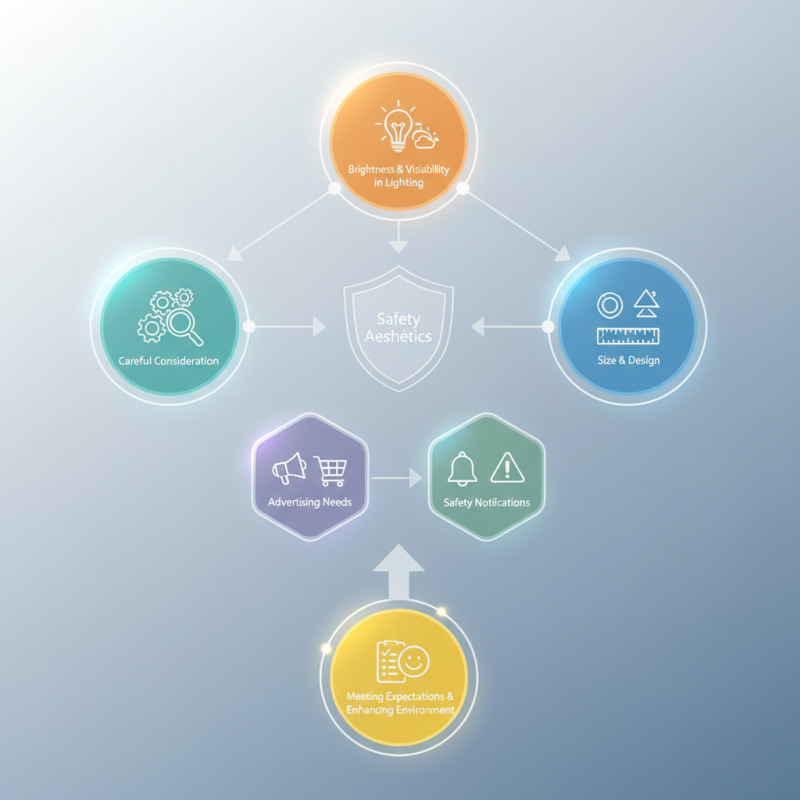
However, selecting the best option requires careful consideration. Not all transparent screens are created equally. Factors such as size, brightness, and visibility in different lighting conditions are crucial. Some users may rush decisions, only to regret later due to unforeseen issues.
It's essential to evaluate your specific needs. Will the screen be used for advertising or safety notifications? Each application might require a different type of Transparent Guardrail Display Screen. Make a list of priorities before making a choice. This way, you can ensure the screen meets your expectations and enhances its environment effectively.
Understanding Transparent Guardrail Display Screens
Transparent guardrail display screens are becoming increasingly popular in various industries. They offer a unique way to combine safety and visibility. They allow for clear views while still serving as a protective barrier. According to a recent industry report, the market for these screens is expected to grow by 18% annually. This growth reflects their rising importance in urban settings.
When selecting a transparent guardrail display screen, understanding the technology is crucial. These screens typically feature advanced LED technology. They are designed to maintain transparency while delivering high-quality visuals. However, not every screen provides the same level of brightness or clarity. Some options may wash out under bright sunlight, leading to a less effective display. This is a critical factor to consider, especially for outdoor applications.
Furthermore, installation is another aspect requiring careful thought. Some screens may need specific mounting hardware. This can be a significant addition to overall costs. Additionally, maintenance frequencies can vary widely among different models. A poorly maintained screen can quickly lose its effectiveness, making it essential to evaluate upkeep before making a final choice.
Comparison of Transparent Guardrail Display Screen Features
Key Features to Consider for Transparent Guardrail Screens
Choosing the right transparent guardrail display screen involves understanding key features. Clarity and brightness are crucial. According to industry reports, a screen with a brightness of at least 3000 nits performs well in outdoor environments. This ensures messages are visible in direct sunlight. Consider resolution too; higher resolutions enhance image quality.
When selecting a screen, pay attention to durability. Transparent screens should resist weather elements. Research shows that screens with IP65 ratings are dust-tight and water-resistant. This is ideal for outdoor settings. Installation ease is also a factor. Ensure that the screen can be integrated smoothly into existing structures.
Tips: Check for compatibility with existing tech. It saves future costs. Assess the warranty. A longer warranty can indicate better quality. Also, don’t ignore the aesthetic appeal. The right design can enhance the overall environment. Remember, not all transparent screens are equal. It’s essential to evaluate multiple options thoroughly.
How to Choose the Best Transparent Guardrail Display Screen? - Key Features to Consider for Transparent Guardrail Screens
| Feature |
Importance |
Recommended Specification |
| Transparency Level |
High transparency allows for better visibility of surroundings while providing information. |
Above 85% transparency |
| Brightness |
High brightness ensures visibility even in bright environments. |
Minimum 2500 nits |
| Contrast Ratio |
A high contrast ratio enhances image clarity and detail. |
At least 4000:1 |
| Viewing Angle |
Wide viewing angles allow multiple viewers to see content clearly. |
Horizontal: 160°, Vertical: 160° |
| Durability |
Resistant to harsh weather conditions for long-lasting performance. |
IP65 rating or higher |
| Installation Flexibility |
Easily adjustable installation options can fit various spaces. |
Compatible with walls, stands, and custom mounts |
| Energy Efficiency |
Lower power consumption helps in reducing operational costs. |
Max 300W |
| Content Management System (CMS) |
Easy-to-use CMS for efficient content updates. |
Cloud-based or local CMS options |
Comparing Different Types of Transparent Display Technologies
Transparent display technologies have gained traction in recent years, providing a unique way to engage audiences. The most common types include OLED, LCD, and microLED. Each offers distinct advantages and challenges. OLED displays are known for their vibrant colors and deep blacks, making them visually striking. However, they are prone to burn-in issues. On the other hand, LCDs are stable and affordable, but can lack the same level of contrast and transparency.
Recent industry reports indicate that the transparent display market will grow significantly. In fact, the market size is projected to reach $3.2 billion by 2025, according to a report by Mordor Intelligence. MicroLED technology is emerging as a strong contender, offering high brightness and excellent transparency without the drawbacks of OLED. However, this technology remains costly and complex to manufacture, which can limit its accessibility.
When comparing these technologies, it's essential to consider the application. An office space might benefit from LCD, while a retail environment could thrive with OLED displays. The transparency level varies as well. Some displays achieve up to 80% transparency, while others fall short. Selecting the right technology requires careful thought. Each option has trade-offs. Understanding these can lead to making more informed choices in transparent display solutions.
Assessing Durability and Environmental Resistance
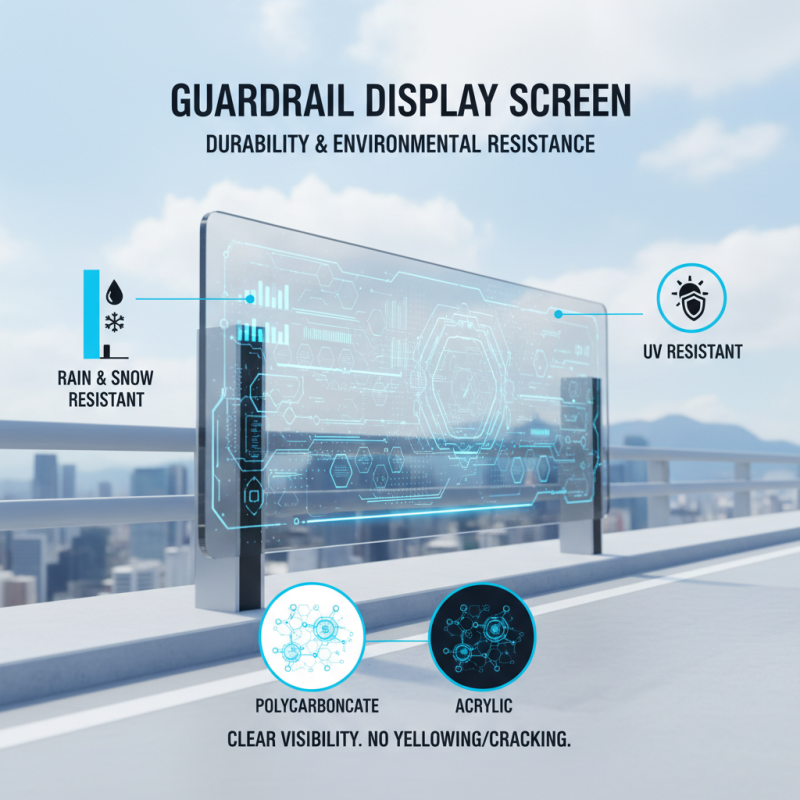
When selecting a transparent guardrail display screen, durability and environmental resistance are critical factors. These screens face outdoor elements. They must withstand rain, snow, and UV rays. Look for materials designed for resilience. High-quality polycarbonate or acrylic can be effective choices. These materials resist yellowing and cracking over time. They also provide clear visibility, which is essential for effective display.
Testing for impact resistance is essential. Screens should withstand accidents or force without cracking. Assess the product specifications carefully. Review any environmental ratings provided by manufacturers. Some screens may excel in specific conditions but fail in others. This can lead to disappointments when exposure occurs. Installing in areas with extreme weather can highlight inadequacies. Also, consider maintenance requirements. Some materials may require regular cleaning or treatment to maintain clarity.
Reflect on real-world examples of guardrails in various environments. Screens that perform well in dry, temperate climates may struggle in humid or coastal areas. It's essential to think about long-term performance. Investing in a more durable option could save costs in the future. Environmental resistance is not just an add-on; it's a necessity for lasting quality.
Evaluating Cost vs. Value for Transparent Guardrail Displays
When choosing a transparent guardrail display screen, cost and value are vital factors. Evaluate the features that matter most to your needs. Some displays offer excellent clarity but at a higher price. Others may be more affordable but lack certain functionalities. Balance is critical.
Tips: Consider the screen resolution and brightness. Higher resolution provides sharper images. A brighter screen works better in well-lit environments. Also, check for durability. A low-cost option might save money now but could lead to replacement costs later.
Long-term value often outweighs initial savings. Reflect on your usage. Will the screen be used for events, or long-term displays? Assessing the potential lifespan can help direct your investment. Sometimes, spending a little more now saves trouble down the line.