How to Choose the Best Car Mounted Transparent Screen for Your Needs?
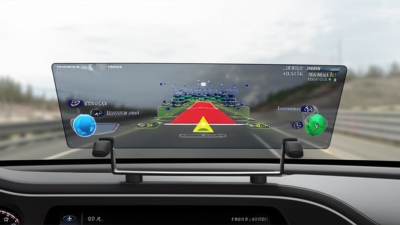
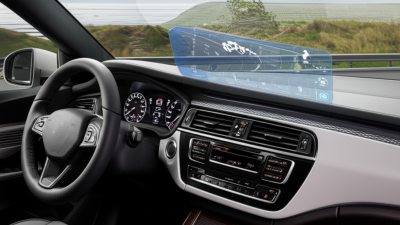
As technology progresses, the demand for Car Mounted Transparent Screens increases significantly. According to industry reports, the global market for automotive display technology is expected to reach $30 billion by 2025. This growth reflects the rising interest among consumers for advanced, user-friendly car features. A Car Mounted Transparent Screen enhances the driving experience by providing essential information without obstructing the driver's view.
However, choosing the right screen requires understanding specific needs and preferences. Not every screen is created equal, and features such as resolution, size, and compatibility are crucial. Business Insider highlights that 70% of customers prioritize clarity when selecting automotive displays, underscoring the importance of this decision. Users often struggle with understanding which specifications best suit their vehicles and lifestyles.
The right choice can greatly impact road safety and convenience. Many drivers find it challenging to navigate through endless options. It is essential to consider both technical specifications and practical applications. A well-informed decision can lead to enhanced driving experiences, while a hasty choice may lead to frustration. To navigate this complex landscape, careful consideration and research are vital.
Understanding the Purpose and Benefits of Car Mounted Transparent Screens
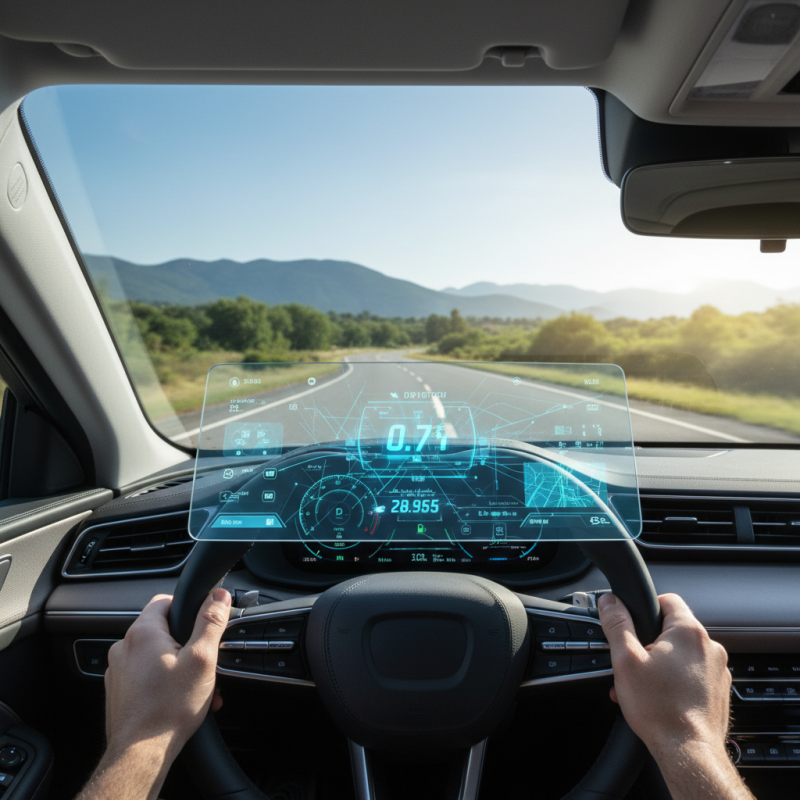
Car mounted transparent screens have become increasingly popular in modern vehicles. They serve various purposes, from enabling hands-free navigation to providing essential driving information. These screens offer displays that can show real-time data without compromising the driver's view. This is particularly beneficial for those who prioritize safe driving while staying connected.
One major advantage of these screens is their ability to project navigation seamlessly. Drivers can access maps or GPS directions without taking their eyes off the road. This enhances safety and minimizes distractions. Additionally, users can customize display settings to highlight the information most relevant to their journeys. However, choosing the right screen involves understanding various factors, such as brightness and visibility under different lighting conditions.
Still, not all car mounted screens meet high standards. Some may have connectivity issues or inadequate resolution. It's crucial to explore user reviews and expert opinions. Seeking out reliable sources can help in making a well-informed decision. Reflecting on personal needs and preferences is also essential. What works for one driver might not suit another.
How to Choose the Best Car Mounted Transparent Screen for Your Needs?
| Feature |
Description |
Benefits |
Considerations |
| Screen Size |
Variety of sizes available, typically ranging from 7 to 15 inches. |
Larger screens can provide better visibility and more features. |
Ensure the size fits your vehicle's space without obstructing your view. |
| Resolution |
Common resolutions include HD (720p) or Full HD (1080p). |
Higher resolution for clearer visuals and better detail. |
Consider the types of media you will display to choose the right resolution. |
| Mounting Mechanism |
Options include suction cups, brackets, or headrest mounts. |
Secure and stable mounting for safety and ease of use. |
Evaluate the ease of installation and removal. |
| Connectivity |
Includes HDMI, USB, Bluetooth, or Wi-Fi options. |
Enables compatibility with various devices for versatile use. |
Check device compatibility before purchasing. |
| Display Type |
LCD, OLED, or transparent display options available. |
Different display types offer various benefits regarding brightness and color accuracy. |
Determine the primary use to select the most suitable type. |
| Price Range |
Prices vary from budget options under $100 to high-end models over $500. |
Options available for all budgets with varying features. |
Set a budget that balances features with affordability. |
Key Features to Consider When Selecting a Transparent Screen for Cars
When choosing a transparent screen for your car, several key features matter. Screen size is crucial. A display that is neither too large nor too small will ensure visibility without distractions. In 2022, the average screen size in vehicles increased by 15%, highlighting the trend towards bigger displays. However, larger screens can obstruct your view if not positioned correctly.
Another vital consideration is resolution. High-definition displays provide clearer images and text, enhancing functionality. Reports indicate that 78% of consumers prefer screens with at least 1080p resolution for clearer navigation and entertainment. Brightness levels are also important. A screen that shines brightly is easier to read in direct sunlight, which enhances safety.
Transparency and anti-glare properties significantly influence usability. A transparent screen allowing for ambient views while maintaining clear image quality is ideal. Research suggests that screens with anti-reflective coatings reduce glare by up to 50%. It’s worth pondering how often glare spotlights can affect your overall driving experience.
Lastly, assess ease of installation and usability. A complex installation may discourage users from fully benefiting from the technology. According to a 2023 survey, 65% of users preferred screens that integrate seamlessly with existing systems. All these aspects play a role in ensuring you select the best option for your driving needs.
Evaluating Screen Size and Resolution for Optimal Viewing Experience
When choosing a car mounted transparent screen, screen size and resolution are critical factors. The right screen can significantly enhance your viewing experience. Consider how far you'll sit from the screen. A larger screen may be beneficial for longer distances, providing better visibility.
Resolution is equally essential. A higher resolution allows for crisper images. If you often watch videos or use navigation, aim for a resolution of at least 1080p. This ensures details are sharp and clear. Remember, a dual experience of size and resolution can affect ease of use.
Tips: Check the pixel density. A higher pixel density often translates to a better visual experience. Look for screens with adjustable brightness settings. This helps adapt to different lighting conditions. Finally, consider your vehicle's dashboard space. A screen that feels cramped may impact your comfort level while driving.
Screen Size and Resolution Analysis for Car Mounted Transparent Screens
This chart illustrates the relationship between screen size and resolution for car mounted transparent screens. A larger screen size typically offers higher resolution, enhancing the viewing experience. Choose the optimal size and resolution based on your needs.
Exploring Compatibility with Different Car Models and Technologies
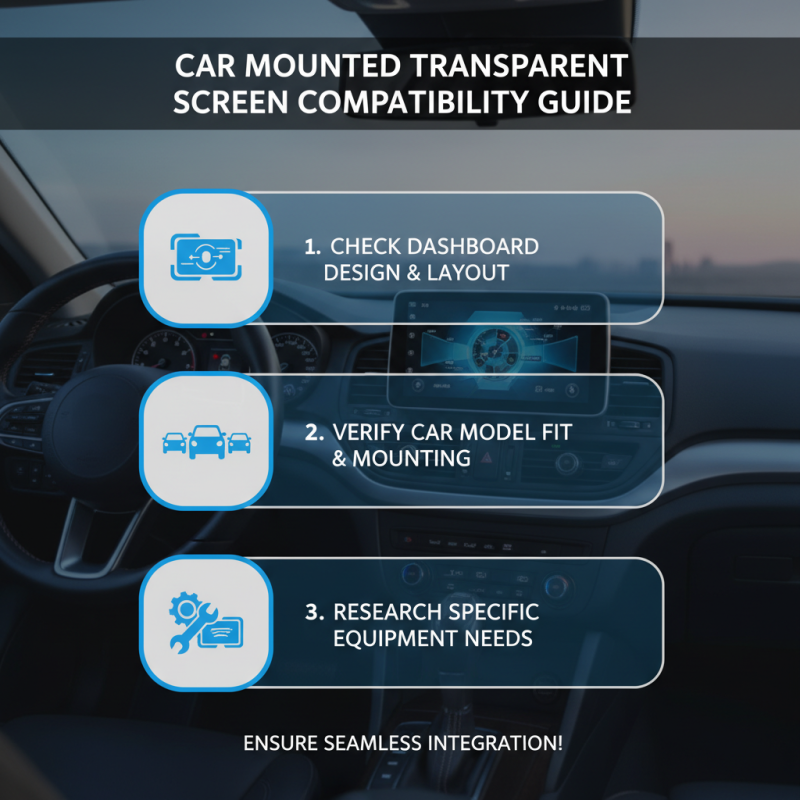
Choosing a car mounted transparent screen requires careful consideration of compatibility. Different car models can have unique dashboard designs and layouts. It’s vital to ensure that the screen fits seamlessly. For example, some screens require specific mounting equipment. Investigate the dashboard space in your vehicle before making a choice.
Technological compatibility is equally important. Many screens work with various infotainment systems. However, not all options support every feature. Check if the screen can integrate with your car's existing technology. Features like navigation, Bluetooth, and audio playback may vary. A screen may look good but might lack the desired functions.
Some users find it challenging to adapt to new technology. It’s essential to ensure that the screen is user-friendly. Not everyone is tech-savvy. Therefore, consider how intuitive the interface is. Reading user reviews can provide insights. Look for common pain points and joys shared by other drivers.
Assessing Budget Options and Value for Money in Transparent Screens
When selecting a car-mounted transparent screen, budget plays a crucial role. The market offers various options at different price points. It’s essential to evaluate what features are necessary for your usage. Higher-priced screens often include advanced features like superior resolution, touch capabilities, and enhanced durability. However, it's easy to overspend on extras you might not need.
Tips: Always consider your primary use case. If it's for basic navigation, a mid-range screen could suffice.
Value for money also depends on the longevity of the product. Cheaper screens might save you money upfront, but frequent replacements could lead to higher expenses over time. Research warranties and customer reviews to better assess reliability.
Tips: Look for user feedback on durability. A screen that lasts a few years is typically more cost-effective than a cheaper alternative.
Be wary of overly flashy models. They may look appealing but lack practicality. Focus on essential features that enhance your driving experience without excess. Prioritize functionality over fancy designs.