How to Choose a Transparent Guardrail Display Screen?
In recent years, the demand for Transparent Guardrail Display Screens has skyrocketed. The global digital signage market is projected to reach $32.84 billion by 2025, according to a report by MarketsandMarkets. This technology merges aesthetics with functionality, appealing to both consumers and businesses.
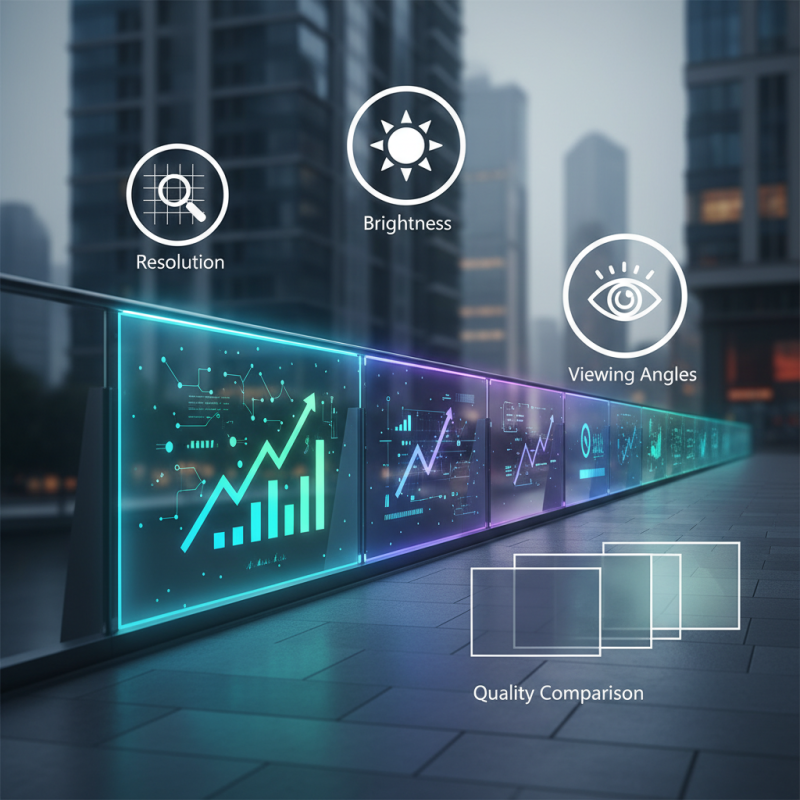
Transparent screens offer a unique viewing experience, allowing light to pass through while displaying vibrant graphics. They can enhance brand visibility in retail environments or public spaces. However, selecting the right model poses challenges. Factors like resolution, brightness, and viewing angles must be carefully evaluated.
Some products claim superior performance, yet not all live up to expectations. The market is flooded with options, making informed decisions essential. Clarity in visual presentation is crucial; customers need screens that don’t compromise on quality. The exciting technology of Transparent Guardrail Display Screens holds promise but also demands a thoughtful approach to selection.
Factors to Consider When Choosing a Transparent Guardrail Display Screen
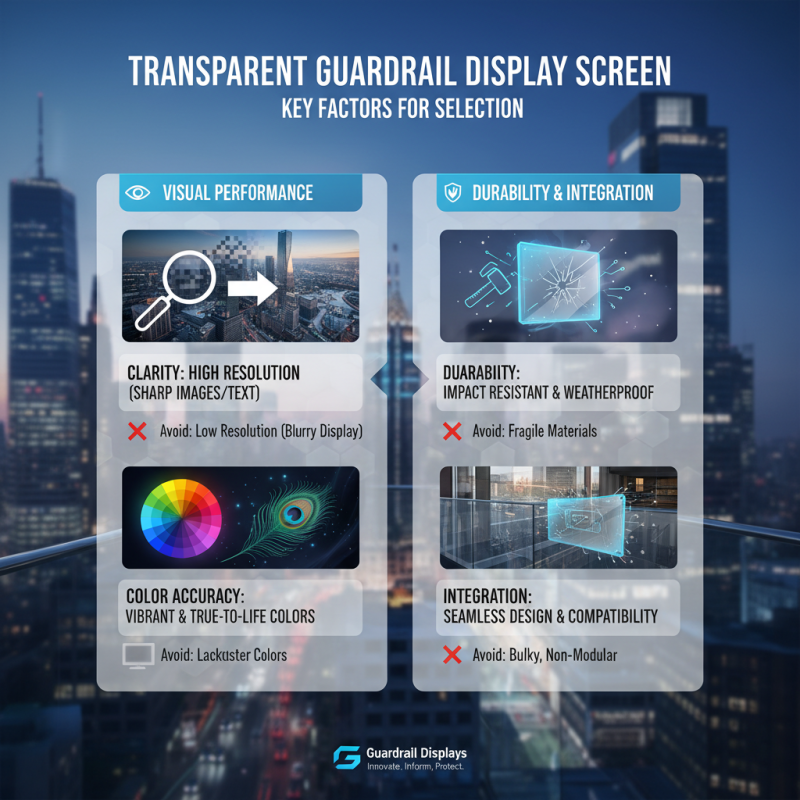
When choosing a transparent guardrail display screen, consider several important factors. First, think about clarity. The resolution should be high enough to ensure images and text appear sharp. A low-resolution screen can lead to a blurry display, frustrating viewers. Additionally, the color accuracy is crucial. Colors should be vibrant and true to life. A lackluster color performance can diminish the impact of your content.
Another factor is the size and dimension of the screen. It should fit well in your intended space without overwhelming it. Assess the viewing distance too. A screen that’s too small for the distance will make it hard for viewers to see details. Moreover, the installation process can be tricky. Consider hiring professionals to ensure proper setup. Poor installation may lead to operational issues, which is frustrating.
Don't overlook the durability of the screen. Transparent guardrail screens face unique challenges, including exposure to elements and potential physical damage. A screen that isn't robust may need frequent repairs. Finally, budget plays a role in your decision. Often, lower-priced options may cut corners on quality. Balancing price with quality is essential. It might be worth investing a bit more for better performance.
Different Types of Transparent Guardrail Display Screens Available
Transparent guardrail display screens have garnered significant attention in various sectors. Their design and functionality vary, making it essential to understand the available options. One major type is the OLED transparent display. This technology boasts vibrant colors and deep contrasts. Research indicates that OLED displays can provide viewing angles of up to 180 degrees, enhancing visibility. These screens are ideal for retail environments.
Another type is the LCD transparent display. Unlike OLED, LCDs often feature a backlight, limiting the level of transparency. However, LCD screens can be more cost-effective for larger installations. Reports suggest that the global market for transparent display screens is expected to grow by 40% annually over the next five years. This growth indicates rising demand, yet challenges remain. We must consider factors like brightness and resolution.
Additionally, the integration of interactive features transforms the user experience. Touch capability can enhance engagements but often complicates the technology. Data shows that interactive screens increase customer retention rates by up to 50%. However, the reliability of such technologies has raised criticism. Therefore, careful evaluation is critical when selecting the right type of transparent guardrail display screen for your needs.
Key Features and Specifications to Look For
When selecting a transparent guardrail display screen, it’s essential to focus on key features. The brightness level is crucial; it should be at least 1000 nits for effective visibility in various environments, particularly outdoors. Many users overlook this detail. High brightness ensures that your content stands out, even in direct sunlight.
Resolution is another important specification. A minimum resolution of 1920x1080 pixels is recommended. This allows for clear, sharp images, critical for advertising. According to industry reports, screens with higher resolutions can boost customer engagement by up to 30%. Color accuracy also plays a role. Look for screens with at least 16.7 million colors for vivid and appealing displays.
Transparency is vital, too. Ideal transparent screens should have a transparency rating of over 70%. This enhances the visibility of what’s behind the screen while displaying your content. Many companies struggle with this balance, thinking higher transparency compromises visibility. However, advancements in technology have made it possible to achieve both. Regularly reviewing these specifications will help ensure you make informed decisions, as user experiences can vary significantly.
How to Choose a Transparent Guardrail Display Screen? - Key Features and Specifications to Look For
| Feature |
Specification |
Importance |
| Screen Transparency |
Up to 85% |
High |
| Brightness |
≥ 2500 nits |
High |
| Display Resolution |
1920 x 1080 (Full HD) |
Medium |
| Viewing Angle |
≥ 160° |
High |
| Power Consumption |
180 W/m² |
Medium |
| Weight |
≤ 20 kg/m² |
Low |
| Installation Type |
Wall-mounted, Freestanding |
High |
Installation and Maintenance Recommendations
When installing a transparent guardrail display screen, consider the location carefully. The environment plays a significant role in its effectiveness. Ensure that the area is not too bright, as glare may distort visibility. You might think about positioning it in a shaded spot. However, avoiding direct sunlight can also mean missing out on natural light benefits. Finding the right balance is key.
Maintenance of the screen is another crucial aspect. Regular cleaning is essential to maintain clarity. Dust and fingerprints can accumulate, leading to poor visibility. Use a soft, lint-free cloth when cleaning. It's pretty easy to forget this step during busy days. Always check for any damage or wear and tear. A small crack can grow into a bigger issue. Make it a routine to inspect the screen monthly. Often, preventive care can save you from larger repairs later.
Cost Considerations and Budgeting Tips
When choosing a transparent guardrail display screen, cost is crucial. You must consider the initial investment and ongoing expenses. The price often varies based on size, technology, and features. Smaller screens may seem cheaper, but larger options might provide better visibility and impact.
Budgeting requires creativity. Consider all costs: installation, maintenance, and even energy consumption. A cheap display might save money upfront but lead to higher maintenance costs later. Weigh these future expenses against your initial budget. It's also worth looking into financing options if your budget is tight.
Do not overlook installation costs. Hiring professionals can save you from potential mistakes. DIY installations sometimes lead to additional costs if errors occur. Take your time to assess and adjust your budget as needed. Reflect on what features you truly need and what you can live without. It’s important to strike a balance between quality and cost.