How to Choose the Best Transparent Fish Tank Screen for Your Needs?
Choosing the right transparent fish tank screen is essential for any aquarist. A quality screen enhances visibility and protects your aquatic environment. However, many options are available. This variety can overwhelm beginners and experienced hobbyists alike.
When selecting a transparent fish tank screen, consider materials and sizes. Glass and acrylic are popular choices, each offering unique benefits. Glass provides clarity and scratch resistance, while acrylic is lightweight and durable. You should also evaluate the thickness of the screen. Thinner screens may warp over time, while thicker options ensure longevity.
It's vital to reflect on your specific needs. For instance, do you have a standard fish tank size? Or perhaps a custom setup? These factors will influence your choice significantly. Choosing the right transparent fish tank screen requires careful thought. Balancing aesthetics with functionality is crucial for the well-being of your fish and your enjoyment.
Understanding the Importance of a Transparent Fish Tank Screen
When selecting a transparent fish tank screen, it's crucial to understand its role. A quality screen provides protection. It ensures fish stay secure inside the tank. Clear screens allow light penetration. This light is essential for aquatic plants and fosters healthy growth.
Transparency matters greatly. It enhances visibility of your fish and makes the tank visually appealing. A well-designed screen minimizes disturbances, which keeps fish calm. You might notice that some cheap options can cause reflections. These can scare your fish. Ensure the screen fits correctly. A poor fit might lead to gaps that can be problematic.
Choosing the right material is equally important. Some screens are made from plastic, while others use glass. Consider durability and weight. Plastic might warp over time. Glass offers clarity but is heavier. Reflect on your setup's needs. Each tank is unique, and some issues might not be obvious until later. Regularly check that your screen serves its purpose effectively.
Evaluating Different Materials for Fish Tank Screens
When choosing a transparent fish tank screen, evaluating materials is crucial.
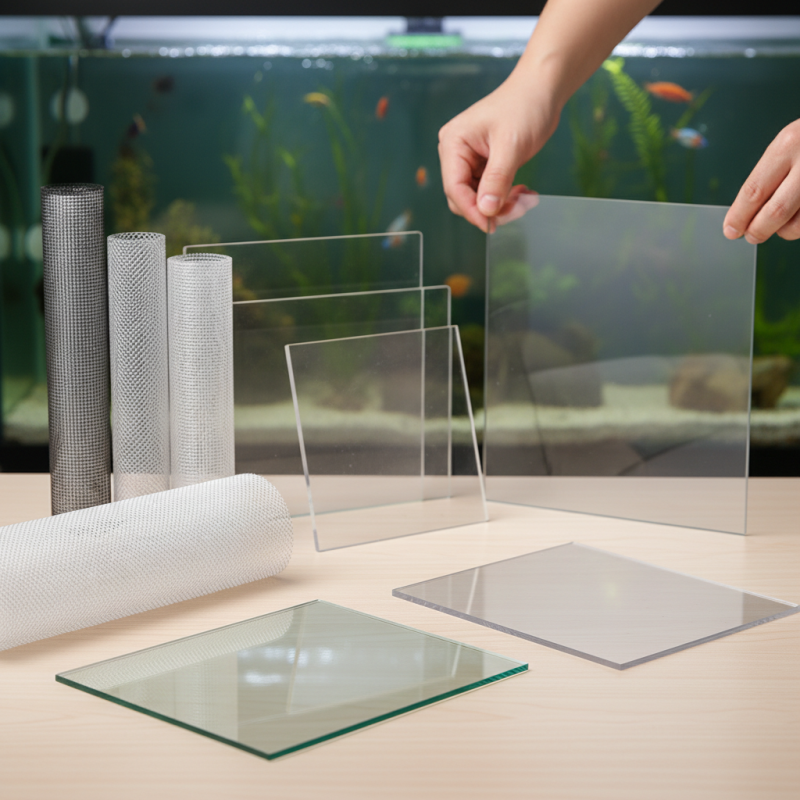
Glass, acrylic, and mesh are common options. Each material has distinct properties that impact durability, clarity, and maintenance.
Glass screens are heavy but provide excellent clarity. They resist scratches and are easier to clean. However, they can be fragile and may crack if mishandled.
Acrylic screens are lighter and more impact-resistant, offering flexibility in design. Yet, they may scratch more easily than glass.
Mesh screens are the most lightweight. They promote water flow but offer limited visibility and aesthetic appeal.
Consider the environment of your fish tank. If you have active fish, an acrylic screen may minimize the risk of breaking. For a long-term investment, glass might be the better choice despite its weight.
Reflect on your cleaning habits too. Some materials require more maintenance. Evaluating your specific needs will lead you to the right choice.
Key Features to Look for in a Transparent Fish Tank Screen
When choosing a transparent fish tank screen, consider essential features that enhance functionality and aesthetics. Clarity is paramount. High-quality screens should provide unobstructed views of your tank's aquatic landscape. Industry reports suggest that tanks with superior clarity can increase viewer engagement by up to 30%. This is crucial for both hobbyists and display setups.
Material is another significant factor. Screens made from acrylic or tempered glass offer durability and resistance to scratches. Research indicates that acrylic screens can be up to 17 times stronger than glass. However, they may be prone to scratching. Regular maintenance can mitigate this issue, ensuring longevity and clear visibility.
Tips: Ensure your screen fits the tank snugly. Gaps can lead to water loss and increase evaporation rates. Consider screens with UV protection to prevent harmful algae growth. Additionally, look for screens that are easy to remove for cleaning. Convenience plays a key role in maintaining tank health.
Lastly, evaluate the mounting options for your screen. Some screens require adhesive and others can be framed. An ideal choice should balance security with ease of access. Do not overlook these details as they can affect tank management significantly. Evaluate all factors carefully to ensure your choice aligns with your aquarium goals.
How to Choose the Best Transparent Fish Tank Screen for Your Needs?
| Feature |
Description |
Importance |
| Material Quality |
Acrylic or glass options that offer clarity and durability. |
High |
| Size Options |
Available in various dimensions to fit different tank sizes. |
Medium |
| Ease of Cleaning |
Smooth surfaces and removable screens for hassle-free maintenance. |
High |
| UV Protection |
Prevents harmful UV rays from affecting fish and plants. |
Medium |
| Cost |
Varies by material and brand; needs to fit budget. |
High |
Sizing and Compatibility Considerations for Your Tank
When selecting a transparent fish tank screen, sizing and compatibility are crucial. Measure your tank’s dimensions accurately, focusing on the length, height, and width. This ensures a snug fit, preventing gaps that could allow fish to escape. Also, consider the thickness of the screen material. Thicker screens often provide better durability but may limit visibility.
Compatibility with your tank’s design matters too. Some tanks have unique shapes, like bow fronts or corner designs. Ensure the screen can accommodate these variations. Additionally, think about the mounting options available. Some screens use clips or adhesive, while others may require brackets. This can affect how securely the screen fits and how easy it is to access the tank.
Don't overlook aesthetic factors. The screen should enhance the tank's appearance. A clear screen maximizes visibility, but it might be prone to scratches. Reflect on how frequently you clean your tank and the wear and tear on the screen over time. There’s always room for improvement in choosing materials and styles that best suit your aquarium needs.
Maintenance and Care Tips for Your Fish Tank Screen
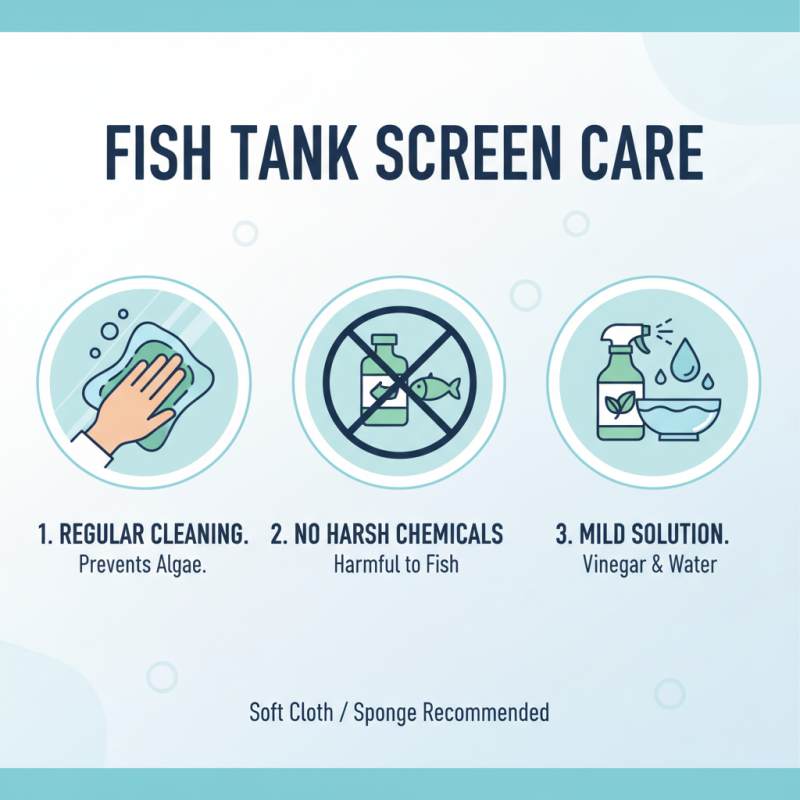
Maintaining a transparent fish tank screen requires attention and specific care techniques. Regular cleaning is essential to prevent algae buildup. Use a soft cloth or sponge to gently wipe the surface. Harsh chemicals can harm your fish. Instead, opt for a mild solution of vinegar and water.
Also, ensure that your screen is properly secured to the tank. A loose screen can allow fish to escape or introduce contaminants. Periodically check the seals and hinges for wear. A small crack might seem insignificant, but it can lead to bigger problems over time.
Aquarium enthusiasts often overlook the importance of water quality. Use a quality water testing kit to monitor parameters. Clear water isn’t always safe water. This reflects the need for a holistic approach to tank maintenance. Regularly replacing water and avoiding overfeeding are crucial steps. Engage with your tank, observe your fish, and adapt your care routine accordingly.