What are the Benefits of Transparent Double Sided Display Screens?
The rise of Transparent Double Sided Display Screens is transforming various industries. According to a recent market report by Smith & Associates, the global demand for these innovative screens has surged by 28% over the past year. This technology offers unique advantages, blending functionality with modern aesthetics. Jonathan Green, an industry expert, states, "Transparent displays provide an immersive experience, captivating audiences like never before."
Using these screens, businesses can engage customers while showcasing their products. Retail spaces benefit immensely from their dual viewing capabilities. They create stunning visual effects, enhancing brand visibility. However, challenges remain. Not all businesses understand the true potential of Transparent Double Sided Display Screens. Some may overlook the necessary infrastructure changes to support these technologies.
Consumer engagement demands innovative solutions. While many adopt this technology, not everyone maximizes its benefits. Effective implementation is crucial for achieving desired results. By harnessing these displays correctly, companies can create a lasting impression on potential customers. Embracing this technology is not just a trend; it's a step toward future-focused advertising.
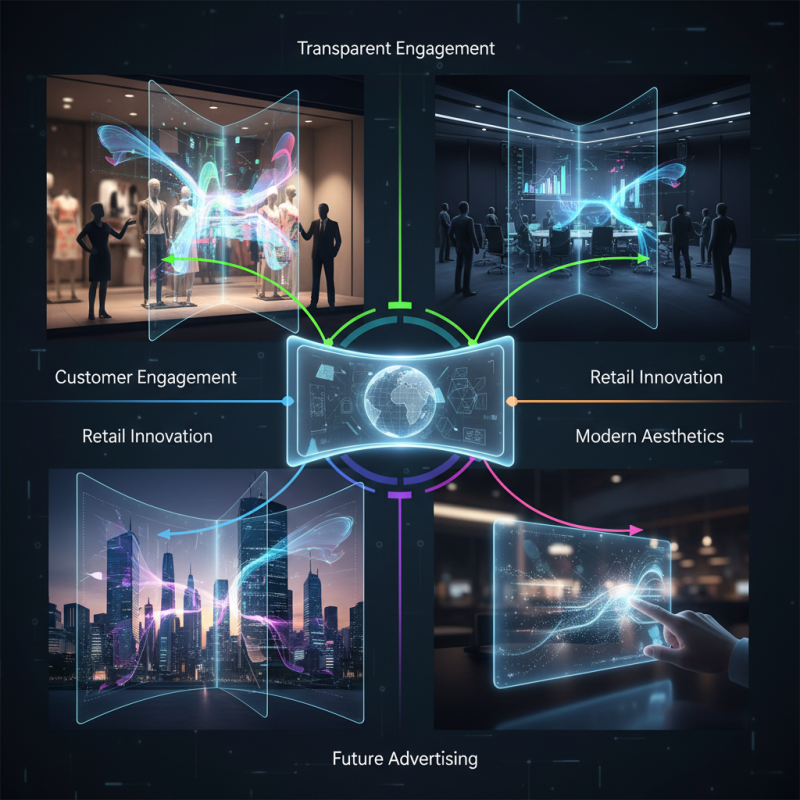
Advantages of Transparent Double Sided Display Screens in Retail Environments
Transparent double-sided display screens are revolutionizing retail environments. They offer unique opportunities for engaging customers. The ability to showcase different content on both sides attracts attention and increases foot traffic. This dual functionality allows stores to promote products effectively, enticing passersby with captivating visuals.
In addition, these displays enhance the overall shopping experience. Customers can interact with the screen or view information seamlessly, even from various angles. This immersive approach creates a dynamic atmosphere. Retailers can instantly update advertisements without changing physical displays. However, the initial investment may be a hurdle for smaller businesses. The high cost requires careful consideration and planning.
Moreover, maintenance can be tricky. Keeping both sides clear and functional demands consistent upkeep. Retailers must train staff to handle technical issues. This necessity leads to possible downtime and customer frustration. Balancing investment with potential benefits is crucial for success. Ultimately, transparent double-sided displays present intriguing possibilities, yet they require a strategic mindset.
Enhanced User Engagement Through Interactive Displays and Visual Appeal
Transparent double-sided display screens captivate users with their interplay of visuals. Their unique design allows for engagement from multiple angles. People can interact with the content from both sides, breaking traditional display boundaries.
The aesthetic appeal of these screens cannot be overstated. They transform public spaces into vibrant canvases, showcasing artwork or advertisements. This combination of transparency and color creates an inviting atmosphere. However, maintaining clarity can sometimes be challenging. Poor lighting or reflections can obstruct visibility and impact the user experience.
Interactive elements further enhance engagement. Touch-responsive screens encourage users to explore content in a personal way. This interactivity fosters a connection that static displays cannot achieve. Yet, users may become overwhelmed by too many options or complex interfaces. Finding the right balance between simplicity and allure is vital for a fulfilling experience.
Energy Efficiency and Sustainability Benefits of Modern Displays
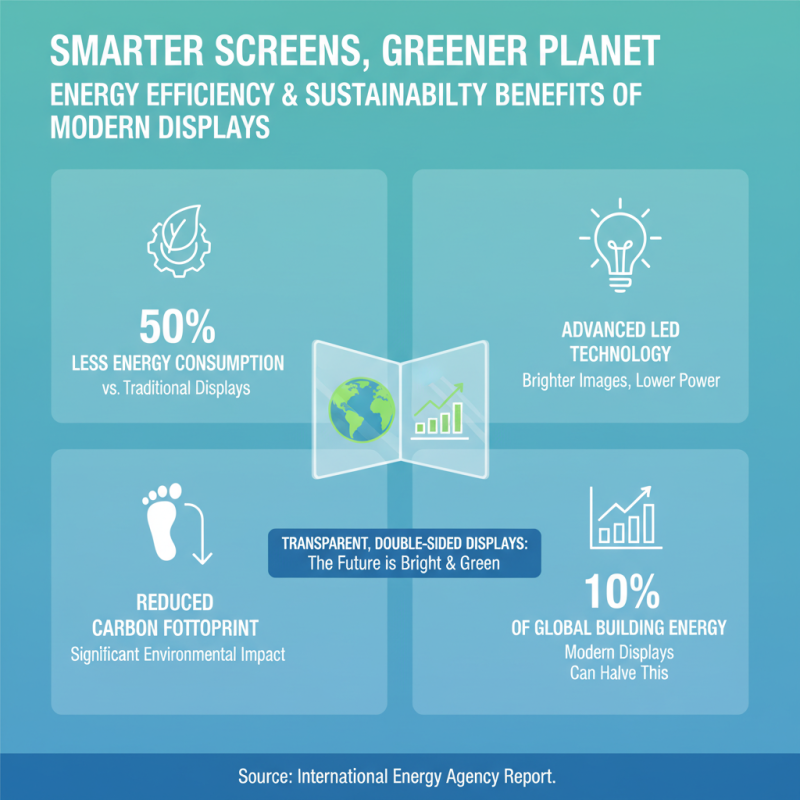
Transparent double-sided display screens are gaining attention for their energy efficiency. In fact, modern displays consume up to 50% less energy than traditional options. This is significant in reducing carbon footprints. The advancements in LED technology allow these screens to emit brighter images using less power. According to a report by the International Energy Agency, displays account for about 10% of global energy consumption in buildings. The shift to more efficient screens can drastically cut down this figure.
Furthermore, sustainability is at the forefront of design. Many manufacturers now prioritize recyclable materials, reducing electronic waste. Reports suggest that over 50 million tons of e-waste are generated annually, causing severe environmental issues. By using sustainable practices in display production, the industry can mitigate these impacts. Transparent double-sided displays are often made with materials that can be repurposed or recycled, further enhancing their eco-friendliness.
Tip: To maximize energy savings, consider optimizing display brightness based on ambient light conditions.
Another tip: Regularly maintain the screens to ensure optimal performance. This can extend their lifespan and further improve energy efficiency. Investing in modern technology also aligns with broader sustainability goals.
Versatile Applications Across Various Industries and Settings
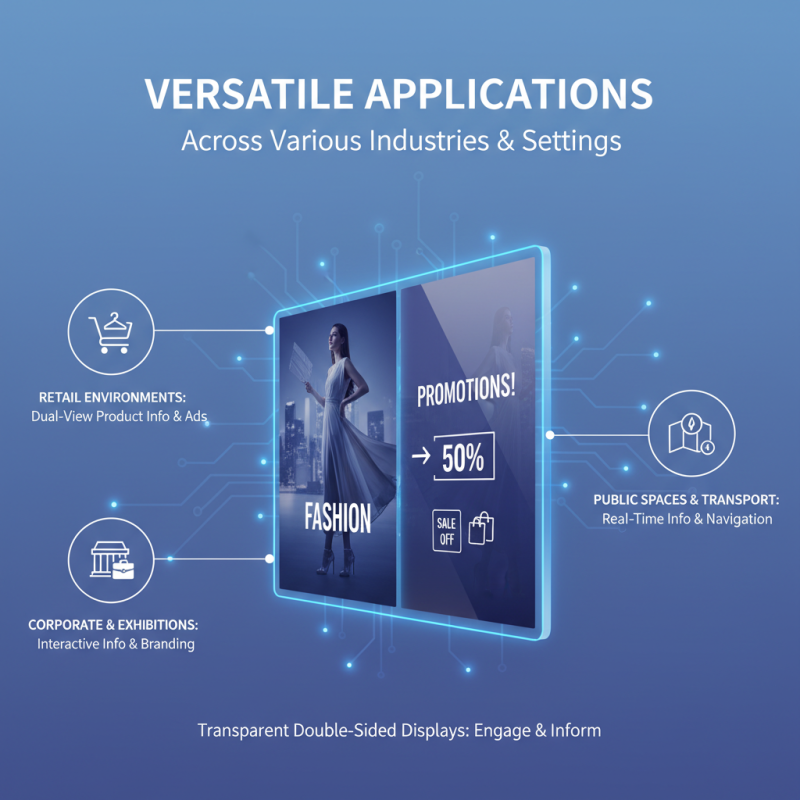
Transparent double-sided display screens are creating new possibilities in various industries. Their unique design allows for simultaneous viewing from both sides, making them versatile tools in retail environments. Imagine a clothing store where one side showcases the latest fashion, while the other features promotional offers. This dual display can capture customer attention effectively.
In corporate settings, transparent displays can be used for presentations and advertising. They can blend into office interiors while providing important information. For instance, a bank could use these screens to share instructions or highlights of services without interrupting the visual aesthetics of the space. However, the challenge lies in ensuring clarity under different lighting conditions.
Education is another field benefiting from these screens. Schools can use them for interactive learning experiences. Students can engage with material displayed on one side while collaborating with peers viewing the opposite side. Still, the effectiveness of these displays can vary based on the audience and environment. It's crucial to evaluate their impact regularly and make adjustments as needed for optimal use.
Technical Innovations Driving the Development of Transparent Displays
Transparent double-sided display screens are pushing the boundaries of visual technology. This innovation offers unique opportunities across different sectors. The market for transparent displays is projected to reach $1.25 billion by 2025, according to a recent research report. Such growth stems from the increasing demand in retail environments. Transparent displays can attract customers by providing engaging content without obstructing visibility.
The technical innovations driving this development include advanced OLED and LCD technologies. These screens utilize specialized films that enhance transparency while maintaining display quality. As a result, the information displayed remains visible without hindering other views. Furthermore, integration with augmented reality enhances user experience, allowing interaction with both digital and physical content.
Tip: Consider using transparent displays in retail to blend products seamlessly with content. This could elevate customer engagement significantly.
Despite the excitement, challenges remain. Production costs for these displays are still relatively high compared to traditional screens. Additionally, achieving optimal brightness and color accuracy in various lighting conditions is complex. Ongoing research is crucial to tackle these issues.
Tip: Experimenting with different settings can help find the best performance for specific applications. Don't hesitate to refine your approach periodically.