2026 Top Flexible Led Film Screen Trends for Global Buyers?
As the demand for innovative display solutions grows, the "Flexible Led Film Screen" industry is rapidly evolving. According to a recent market report by Grand View Research, the global flexible LED screen market is expected to reach $25 billion by 2026, with a compound annual growth rate (CAGR) of 14.2%. This growth reflects a significant increase in applications across various sectors, such as retail, entertainment, and events.
Industry expert Dr. Emily Chen, a leading researcher in display technology, emphasizes the importance of this trend: "Flexible LED Film Screens are redefining how we perceive visual communication." This innovation not only enhances aesthetic appeal but also offers businesses the flexibility to adapt their advertising strategies dynamically. However, challenges such as varying manufacturing standards and installation complexities must be addressed.
Flexible LED Film Screens provide versatile solutions but also require careful consideration of their longevity and performance. While they promise stunning visuals, potential buyers must weigh the costs against the benefits. The landscape of flexible displays is exciting, yet it is vital to remain critical of the choices we make. As technology advances, staying informed will be crucial for buyers navigating this expanding market.
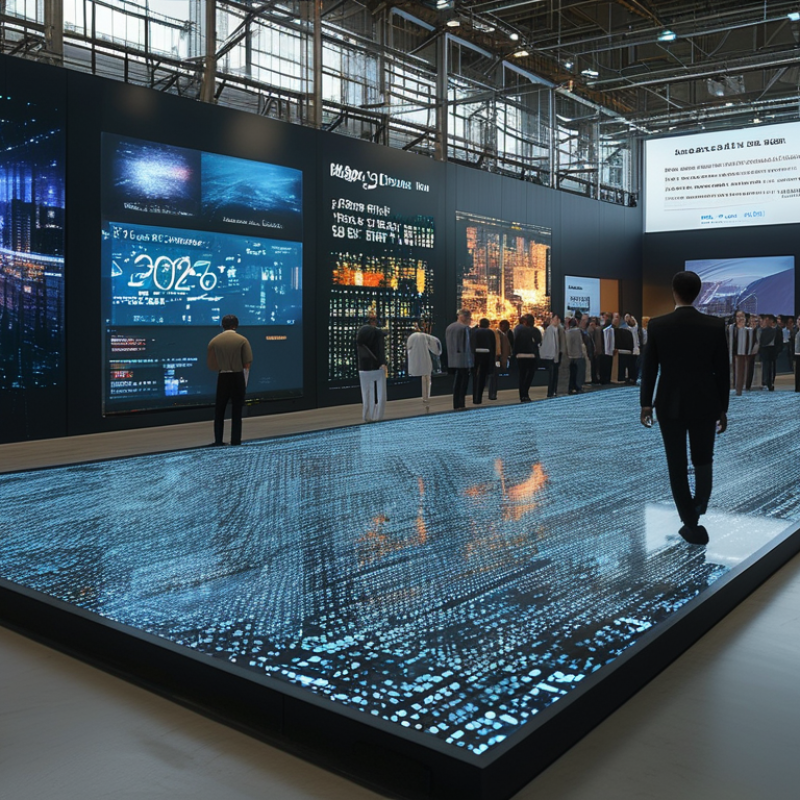
2026 Innovations in Flexible LED Film Screen Technology
The world of flexible LED film screens is evolving rapidly, driven by advancements in technology and user demand. Innovations are focusing on improving the resolution, flexibility, and power efficiency of these displays. According to a report by MarketsandMarkets, the flexible display market is anticipated to grow at a CAGR of 20.5% from 2021 to 2026. This surge reflects increasing applications in sectors like retail, entertainment, and automotive.
Key developments include the introduction of microLED technology, which offers higher brightness and improved color accuracy. This technology uses smaller pixels, enabling more detailed images even on flexible surfaces. Additionally, manufacturers are exploring sustainable materials to reduce the environmental impact of production. Industry experts are noting that while the technology is promising, challenges remain in scalability and cost.
Another area to watch is the integration of smart features. Displays that interact with users can enhance engagement. However, concerns about durability and screen resilience persist. As technology advances, it's crucial for stakeholders to address these issues. This could ensure flexibility and longevity, making the investment worthwhile for global buyers.
Key Features Driving the Demand for Flexible LED Film Screens
The demand for flexible LED film screens is on the rise. Key features contribute to this growth. One significant factor is versatility. These screens can conform to various shapes and sizes, making them ideal for innovative displays. This adaptability appeals to designers looking for unique solutions.
Another driving feature is lightweight construction. Flexible LED film screens are incredibly thin and easy to install. This means they can be placed in locations that traditional screens cannot reach. Such installations often create immersive experiences for viewers. Additionally, advances in technology have led to improved brightness and color accuracy. These enhancements attract businesses that prioritize visual quality.
However, challenges remain. Installation can be tricky, especially in complex environments. There may be issues with durability over time. Some users report fading colors after extended exposure to sunlight. These concerns require reflection and caution before making a purchase decision. Overall, understanding both advantages and potential drawbacks is essential for informed choices in flexible LED film screen investments.
Market Trends: What Global Buyers Should Know for 2026
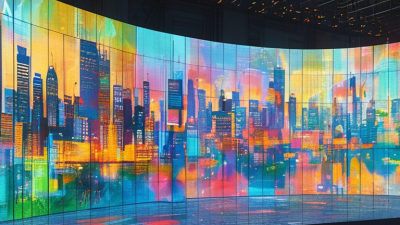
As the demand for flexible LED film screens rises, global buyers should keep an eye on emerging market trends in 2026. One significant trend is the increasing versatility of LED screens. These screens are no longer limited to traditional uses. They are becoming integral to various industries, including entertainment, advertising, and events. Buyers should consider how these screens can transform their spaces.
Quality matters. When selecting flexible LED film screens, prioritize durability and performance. Research materials and technology behind these products. Poor choices may lead to upfront savings but cause costly replacements later. Check for certifications and reliability to ensure long-term value.
Flexibility in design is another key point. Screens can now fit unconventional spaces, providing endless possibilities for branding and promotions. However, adaptability can come with challenges. It’s crucial to partner with knowledgeable suppliers. They can guide you through installation and maintenance. Always ask for references to validate their expertise.
Tip: Test different screen types in your environment. This hands-on approach will reveal what works best for your needs. Be willing to adjust your plans based on these findings.
Applications of Flexible LED Film Screens in Various Industries
Flexible LED film screens are increasingly finding applications across diverse industries. These screens are lightweight and versatile, making them ideal for various settings. A report by MarketsandMarkets projects that the flexible display market could reach $40 billion by 2026. This growth is driven by advancements in technology and increasing demand for innovative display solutions.
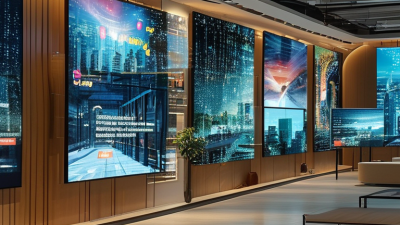
In retail, flexible LED film screens enhance customer experiences. They can be curved or shaped to fit different spaces. Displays can showcase vibrant advertisements that catch the eye. According to a recent survey, 70% of consumers prefer stores with engaging visual displays. This approach can significantly boost foot traffic and sales. Many businesses, however, struggle to integrate this technology effectively.
The entertainment industry also benefits from flexible LED film screens. They enable creative stage designs and immersive environments. Various concerts and events are using these screens for captivating visuals. A study indicated that 65% of attendees felt that innovative displays improved their overall experience. Yet, companies may face challenges in ensuring reliability and consistent quality. This uncertainty can hinder broader adoption.
2026 Top Flexible LED Film Screen Trends for Global Buyers
| Application Sector |
Key Features |
Market Growth (%) |
Main Trends |
| Retail |
High clarity, interactive capabilities |
15% |
Augmented Reality Displays |
| Advertising |
Flexible design, lightweight |
20% |
Dynamic Content Integration |
| Events & Exhibitions |
High resolution, easy setup |
12% |
Personalized Experiences |
| Transportation |
Durability, weather-resistant |
10% |
Real-time Updates |
| Home Automation |
Seamless integration, multi-functionality |
18% |
Smart Home Capabilities |
Future Prospects and Challenges for Flexible LED Film Screen Adoption
The adoption of flexible LED film screens is poised for growth, yet significant challenges remain. These screens offer vibrant displays and versatile applications across various industries. However, their integration into existing systems is not straightforward. Many organizations struggle with installation complexities and compatibility issues.
Cost is another major hurdle. While flexible LED technology promises long-term savings, initial investments can be high. Smaller enterprises may find it difficult to allocate budgets for these screens. Additionally, there are ongoing concerns about durability and maintenance. Users often report issues related to wear over time. These factors can deter potential buyers.
Consumer education is vital for successful adoption. Many potential users are unaware of the benefits and applications of flexible LED screens. Workshops and demonstrations could help bridge this knowledge gap. Feedback from early adopters suggests a desire for more information on usage and troubleshooting. As the market grows, addressing these challenges will be critical to unlocking the full potential of flexible LED film screens.
2026 Top Flexible LED Film Screen Trends for Global Buyers