Leave Your Message

2026 Best Transparent Guardrail Glass Screen for Buyers

Choosing the 2026 best Transparent Guardrail Glass Screen requires more than comparing clear panels and attractive prices. Buyers must examine safety, structural design, optical quality, installation details, and long-term maintenance. A screen may look flawless in a showroom, yet perform poorly when exposed to wind, moisture, fingerprints, or uneven flooring.

Dr. Helmut Schober, a respected structural-glass specialist, has often emphasized, “Glass design begins with understanding how forces move through every connection.” That principle matters here. The panel, handrail, base shoe, clamps, anchors, and supporting structure must work as one system. Laminated safety glass can help retain fragments after breakage, while suitable interlayers may improve durability and acoustic comfort. However, product selection should follow the manufacturer’s tested specifications and the applicable local building requirements.

This guide explores the practical features that separate reliable Transparent Guardrail Glass Screen products from merely attractive alternatives. We will consider glass thickness, edge finishing, fixing systems, load performance, weather exposure, cleaning access, and installation quality. Small details matter. A poorly sealed base can collect water. A careless fitting can create stress around a glass edge. Even the clearest screen cannot compensate for weak planning. Some recommendations may not fit every project, and that is worth admitting. Coastal homes, balconies, staircases, hotels, and commercial terraces face different demands. The best choice is not always the most expensive one. It is the system that matches the building, the environment, and the buyer’s real maintenance expectations.
2026 Best Transparent Guardrail Glass Screen for Buyers

What Is a Transparent Guardrail Glass Screen?

2026 Best Transparent Guardrail Glass Screen for Buyers

What Is a Transparent Guardrail Glass Screen?

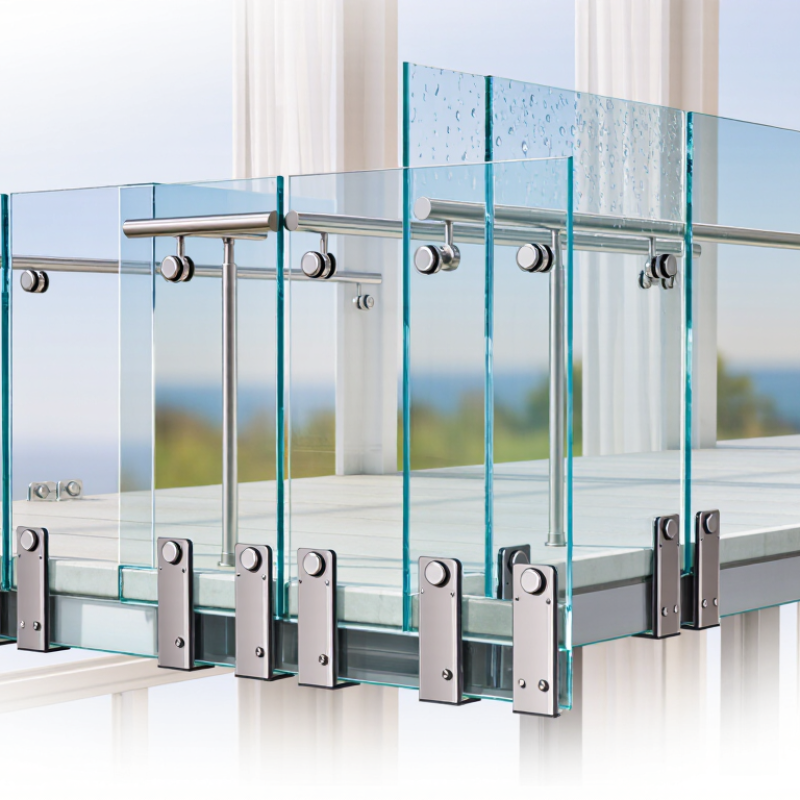
A transparent guardrail glass screen is a protective barrier made from safety glass. It separates people from open edges, stairs, balconies, and terraces. Unlike a solid wall, it preserves daylight and clear sightlines. The system usually includes laminated or tempered glass, posts, channels, or point-supported fittings.

The glass is not simply a decorative panel. It must resist pressure, impact, wind, and repeated movement. Its required thickness depends on panel size, support spacing, and local design loads. The National Glass Association’s glazing guidance recommends safety glazing solutions that reduce injury risks after breakage. ASTM E2353 also provides testing methods for permanent glass railing systems.

Details matter. Look for polished edges, reliable drainage, corrosion-resistant fittings, and firm connections. A small gap can collect water and dirt. Poor alignment can create stress around drilled holes. Transparent glass also shows fingerprints quickly. That is easy to underestimate.

Grand View Research’s 2024 glass railing market analysis projected continued growth, with demand supported by modern residential and commercial design. However, market growth does not guarantee product quality. Buyers should request load calculations, glass specifications, test evidence, and installation instructions. Local professionals should verify the final design. A clear screen can look light, but its safety depends on hidden engineering.
Key Features of the Best Glass Screen Designs in 2026

For buyers in 2026, the best transparent guardrail glass screen must balance visibility, safety, and everyday durability. Clarity is only the beginning. Look for laminated tempered glass with a dependable safety interlayer. This construction can help hold broken pieces together after impact. A clean edge finish also reduces sharp contact points and improves the screen’s refined appearance.

The glass thickness should match the balcony, stairway, or terrace application. Do not judge strength by appearance alone. Ask for tested load information and installation guidance from qualified professionals. In practical inspections, I check panel alignment, firm fixings, drainage paths, and small gaps near the base. Water trapped around metal hardware can create problems later. Corrosion-resistant fittings are important in coastal or frequently wet environments. Minimal posts create a more open view, but they demand precise installation.

The best designs also consider maintenance. Smooth surfaces make dust, fingerprints, and rain marks easier to remove. Anti-stain treatments may help, but they are not maintenance-free. That assumption is easy to make. A subtle handrail can improve comfort without blocking the view. However, excessive hardware may weaken the visual simplicity buyers want. I have found that perfectly clear glass can sometimes feel too exposed, especially on elevated outdoor spaces. Slight tinting or carefully planned lighting may offer better comfort, though it can reduce the sense of openness. Safety documents, material records, and a clear installation plan should remain available before purchase.

2026 Best Transparent Guardrail Glass Screen for Buyers - Key Features of the Best Glass Screen Designs in 2026

Glass Screen Design Typical Support System Common Glass Build-Up Transparency Best Application Key 2026 Design Features Buyer Verification Points
Frameless Laminated Glass Guardrail Continuous base shoe or recessed channel Commonly 10 + 1.52 + 10 mm laminated tempered glass; final thickness requires structural calculation Very high; uninterrupted sightline with minimal visible hardware Balconies, terraces, stair landings and pool boundaries Low-profile channels, concealed drainage, easy-clean finishes and reduced visual obstruction Confirm laminated safety-glass certification, interlayer type, edge protection, drainage and anchorage calculations
Base-Shoe Glass Screen Surface-mounted or side-mounted aluminum or steel base shoe Typical laminated glass ranges from about 17.52 mm to 21.52 mm, depending on span and loads High; the lower shoe is visible but the upper area remains open High-traffic commercial interiors, public terraces and modern residential projects Modular infill replacement, adjustable setting blocks, concealed fasteners and integrated LED options Check base-shoe deflection, fastener spacing, substrate strength, glass bite and water-management details
Point-Fixed Glass Guardrail Stainless-steel standoffs, clamps or bolted fittings Often laminated tempered glass with drilled holes; thickness and hole geometry must be engineered together Excellent; only small, spaced fittings interrupt the view Feature staircases, galleries, balconies and architectural viewing areas Precision-fabricated fittings, slim stainless hardware and replaceable protective caps Verify drilled-hole tolerances, local stress design, fitting corrosion resistance and post-breakage retention
Post-and-Rail Glass Guardrail Vertical posts with a top rail and glass infill clips Commonly 10–13.52 mm safety glass; exact specification depends on panel size and loading Moderate to high; posts and top rail create regular visual breaks Residential decks, exterior stairs and renovation projects Slimmer post profiles, powder-coated or stainless finishes and simplified panel replacement Confirm guard height, post spacing, top-rail continuity, infill opening limits and connection design
Privacy Gradient Glass Screen Base shoe, posts or point-fixed fittings Clear laminated safety glass with ceramic frit, translucent film or digitally printed gradient Adjustable from clear to translucent; the visual effect depends on frit or film coverage Urban balconies, hospitality areas and residences requiring partial screening Custom privacy bands, solar-control options, low-maintenance surfaces and coordinated visual zoning Check print durability, color consistency, thermal-stress risk, cleaning instructions and safety-glass markings
Curved Transparent Glass Screen Custom-fabricated base shoe, posts or engineered point supports Heat-bent or cold-bent laminated safety glass; radius, thickness and support conditions are project-specific High, with a continuous curved visual line Curved balconies, spiral stairs, atriums and showcase interiors Digitally surveyed geometry, fewer joints, smooth hand-contact zones and customized sightlines Review minimum bend radius, optical distortion, edge quality, replacement strategy and full-size templates
Low-Iron Clear Glass Screen Any compatible base shoe, post, rail or point-fixed system Laminated or monolithic safety glass manufactured with reduced iron content; structural thickness remains design-dependent Very high color neutrality and improved edge clarity compared with ordinary clear glass Premium residential, retail, museum and hospitality environments More neutral appearance, high daylight quality and strong compatibility with minimalist interiors Confirm light-transmittance data, color appearance, laminate compatibility, safety certification and sample approval

Note: Glass thickness, panel dimensions, support spacing, guard height and allowable deflection must be verified by a qualified structural professional under the applicable local building code. Safety-glass products should be tested and marked to the requirements adopted in the project jurisdiction, such as ANSI Z97.1, CPSC 16 CFR 1201 Category II, EN 12150 or equivalent standards.

How to Compare Glass Types, Safety, and Structural Strength

2026 Best Transparent Guardrail Glass Screen for Buyers

How to Compare Glass Types, Safety, and Structural Strength

Transparent guardrails need more than a clean appearance. Tempered glass offers high impact resistance, but it breaks into small fragments. Laminated glass holds broken pieces together through an interlayer. For elevated edges, laminated or laminated-tempered systems usually provide better residual protection. The glass type alone is not enough.

Check the complete assembly. Ask for thickness calculations, edge details, fastener locations, and tested load results. ASTM E2353 evaluates glass in permanent railing systems, while EN 12600 measures pendulum impact performance. These tests do not replace project-specific engineering. Deflection matters. A tall panel may look solid but still flex noticeably under a handrail load.

According to Fortune Business Insights’ 2024 Architectural Glass Market report, the market was valued at about $118.24 billion in 2023. Rapid growth is increasing product variety, not necessarily product quality. Buyers should request documented testing, not attractive photographs. Inspect polished edges for chips, confirm drainage around fittings, and examine interlayers for visible defects. A 2026 industry guide from the National Glass Association also emphasizes installation quality and compatibility between glass, hardware, and support structures. I would still question any system relying on one certificate. Site conditions, wind exposure, temperature changes, and poor alignment can weaken an otherwise strong screen. Fresh inspection records matter. Looks can mislead.

Installation Methods, Maintenance Needs, and Long-Term Durability

2026 Best Transparent Guardrail Glass Screen for Buyers

Transparent guardrail glass screens look effortless, but installation decides their real performance. Channel-mounted systems create a clean line and distribute loads continuously. Point-fixed systems use fewer fittings, yet demand accurate drilling and stronger local support. The 2024 International Building Code commonly requires 42-inch guards in many commercial settings. Residential requirements may differ. Always confirm local engineering rules.

Laminated glass usually offers better post-breakage retention than monolithic tempered glass. Interlayers can hold fragments together after impact. However, edges remain vulnerable during transport and fitting. Grand View Research’s 2024 flat-glass market analysis valued the global market at about $143 billion in 2023. That growth increases supply choices, not necessarily product quality. Ask for glass composition, tested load results, and installation records. ASTM E1300 calculations should support the selected panel thickness and span.

Tips: Keep drainage paths open. Wash glass with clean water and a soft cloth. Avoid abrasive pads and harsh alkaline cleaners. Inspect clamps, channels, gaskets, and sealant every six months. Look for cloudy edges, loose fittings, or tiny chips. Replace damaged panels promptly. No system is maintenance-free. That promise deserves doubt. Coastal sites need more frequent rinsing because salt deposits can attack fittings and stain glass. A practical mistake is choosing maximum transparency before checking access, drainage, and future replacement space.

Buying Guide: Costs, Standards, Custom Options, and Suppliers

Buying a transparent guardrail glass screen requires more than choosing the clearest panel. Start with safety performance. Tempered laminated glass is often preferred because it combines impact resistance with safer breakage behavior. However, requirements differ by location. Ask for structural calculations, load testing, glass thickness, and compliance with applicable building codes. A qualified engineer should verify wind, crowd, and edge conditions.

Costs depend on glass size, thickness, hardware, access, and installation difficulty. A straight indoor screen usually costs less than a curved outdoor system. Request an itemized quotation covering measurement, fabrication, transport, fittings, labor, and future maintenance. Very low prices can hide weak hardware or incomplete testing. They may look attractive at first.

Custom options include clear, low-iron, tinted, frosted, or patterned glass. You can also choose frameless channels, point fittings, or top rails. Confirm hole positions and tolerances before production. Small errors become expensive on site. Supplier reliability matters. Review project photos, test certificates, insurance, warranty terms, and installation records. Ask who handles replacement panels if damage occurs. Samples help, but lighting can mislead; glass may appear different beside a window or under warm lamps. I would always inspect a full-size mock-up when the project has unusual angles, long spans, or demanding visual standards.